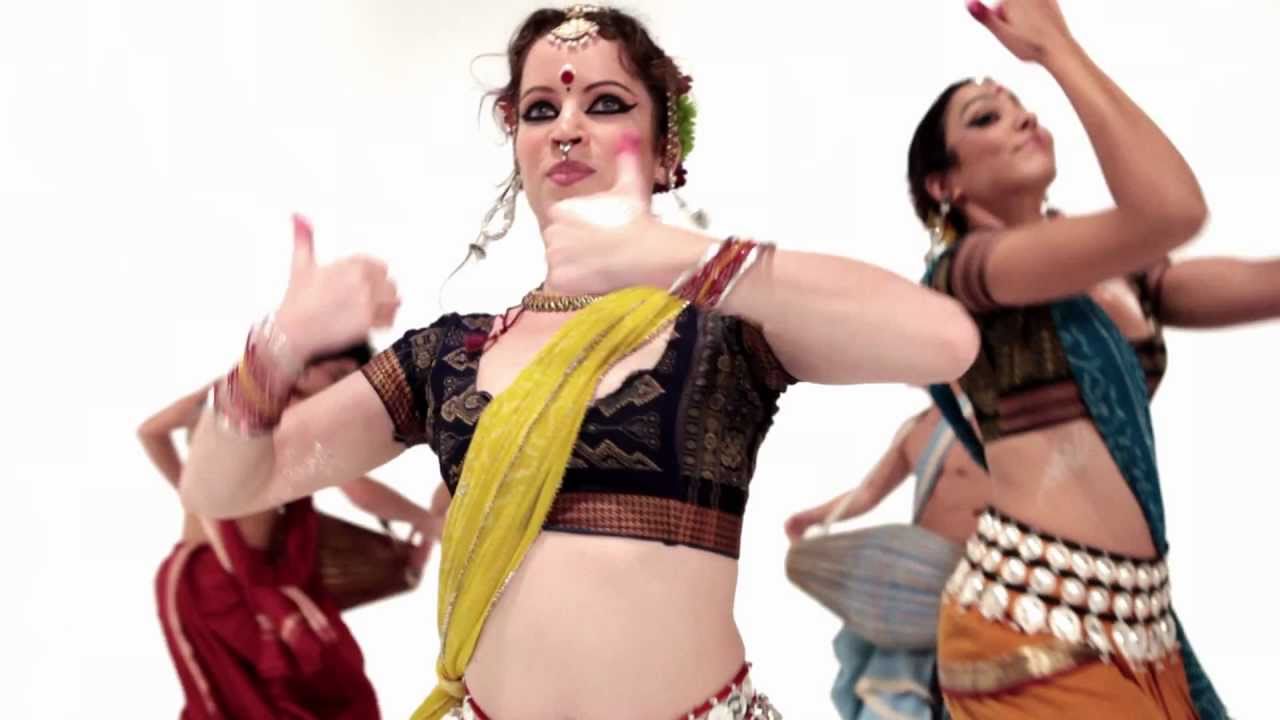
This behind-the-scenes look at The Mayapuris' music video for "Mridanga" captures the creative intensity of filming in a professional St. Petersburg recording studio, where physical exhaustion meets spiritual inspiration. John De Kadt and the band discuss the concrete challenges of production—cracked hands, sore voices, sustained energy demands—alongside the joy of working with a fully present, focused creative team. The piece emphasizes preparation as the foundation of creative work and the particular challenge of sustaining performance energy across multiple takes.
What Does It Mean to Make a Music Video in a Professional Studio?
The Mayapuris filmed their official "Mridanga" music video in a professional recording studio in St. Petersburg, a setting that brings a specific rigor and resource to the work. Unlike a guerrilla shoot or a practice session, a professional studio means actual crews, technical equipment, scheduled time, and the expectation that performers deliver consistent takes. John De Kadt describes the experience as "physically very exhausting" and "spiritually very inspiring" (0:29–0:37), acknowledging that the two dimensions are inseparable when working in such a structured environment. The physical toll—cracked hands, sore voices—is not incidental; it is part of the real cost of creation at this scale.
How Does Physical Exhaustion Factor Into Creative Work?
One of the most candid moments in this footage comes when De Kadt points out visible wounds on his hands and mentions bleeding from the physical demands of performance (1:42–1:45). Rather than treating this as a complaint, he frames it as evidence of genuine commitment. "Hands are cracked, voice is sore, but this is ecstasy," he says (0:18–0:29). This statement rejects a false divide between ease and authenticity; instead, it suggests that real creative work involves bodily consequence. The band is not performing in comfort; they are performing in strain, and they are choosing to stay present within that strain.
The physical cost extends beyond individual discomfort. Maintaining appearance for the camera—being "pretty for a long time," as De Kadt notes—compounds the exhaustion (0:97–0:102). In music video production, performers must hold energy and presence across multiple takes, lighting adjustments, and technical setups. Each reset feels, in some sense, like a new beginning, requiring the band to "relive that energy" as if it were the first time (0:81–0:87). De Kadt calls this "a challenge but it's fun, it's learning" (0:87–0:90), pointing to the dual nature of creative difficulty—it is both demanding and generative.
Why Does Preparation Matter More Than Talent?
One of the most revealing questions in the footage asks: "Is there anything that makes you happier than people being prepared when you ask them to be prepared?" (0:108–0:112). This is not a rhetorical flourish. Preparation is singled out as a primary condition for creative flow. When everyone arrives ready—mentally, physically, spiritually—the work moves differently. There is no wasted time, no frustration born from unmet expectations, no energy spent troubleshooting basic logistics.
The implication is that preparation is a form of respect: respect for the other people in the room, respect for the limited time, respect for the vision being pursued. A band recording a music video in a professional studio has finite hours. Wasted time is not a neutral loss; it erodes both morale and the quality of what gets captured on film. De Kadt's emphasis on preparation suggests that the single greatest asset a creative team can bring is readiness—arriving with focus intact, materials in hand, and commitment visible.
How Does Presence Shape the Outcome of Collaborative Work?
When asked what has been the best part of the shoot so far, De Kadt's answer is direct: "Everyone's here, no one's distracted" (0:115–0:119). This is not a statement about the quality of the footage or the technical accomplishments. It is about the human reality of the room. In an age of competing digital demands and fragmented attention, the simple fact that a group of people can be fully present together—not checking phones, not mentally elsewhere, not half-engaged—is remarkable enough to register as the highlight.
The humor that follows, when someone asks if he is sure no one is distracted and the camera pans to show "a gigantic Dolly with a teeny tiny little camera" (0:131–0:136), underscores that the studio environment itself can create absurdity. The disproportion between the scale of equipment and the intimacy of the performance is comical and somewhat ridiculous. Yet the band is still present within it. The equipment does not distract them from the work; presence is maintained regardless of the machinery surrounding it.
What Does It Look Like to Sustain Creative Energy Across Takes?
In professional music video production, a single song may require dozens of partial or full performances, depending on camera angles, lighting changes, and director vision. Each take demands fresh energy, even though the performers are already tired. De Kadt describes this as having "to go get started again like if it was the beginning and if it was our first time and trying to relive that energy" (0:81–0:87). This is a skill in itself—the ability to reset one's internal state, to access genuine freshness despite fatigue and repetition.
The band's approach is not to white-knuckle through takes or phone them in. It is to genuinely re-engage with the song and the intention behind it each time the camera rolls. This requires both mental discipline and a kind of emotional availability that cannot be faked on film. Audiences can sense the difference between performed energy and real energy, and the professional studio setting actually makes this distinction sharper, not softer. The camera catches everything.
Where to Go from Here
For musicians and creative practitioners, this behind-the-scenes footage offers concrete lessons: preparation is not optional; presence in a room with others is a resource worth protecting; and the physical cost of creation is real and should not be minimized. If you are interested in the finished "Mridanga" music video, The Mayapuris premiered it on Yoga Journal on May 19, 2011, and you can find more of their work at mayapuris.com. For a deeper understanding of how devotional music production works, consider exploring the creative process of other kirtan artists and bands who merge spiritual intention with professional sound engineering. The lessons here—about preparation, presence, and sustaining authentic energy across repetition—apply to any collaborative creative work, from studio recording to ensemble theater to any group effort that demands both technical precision and human presence.