The Voice Beyond the Self
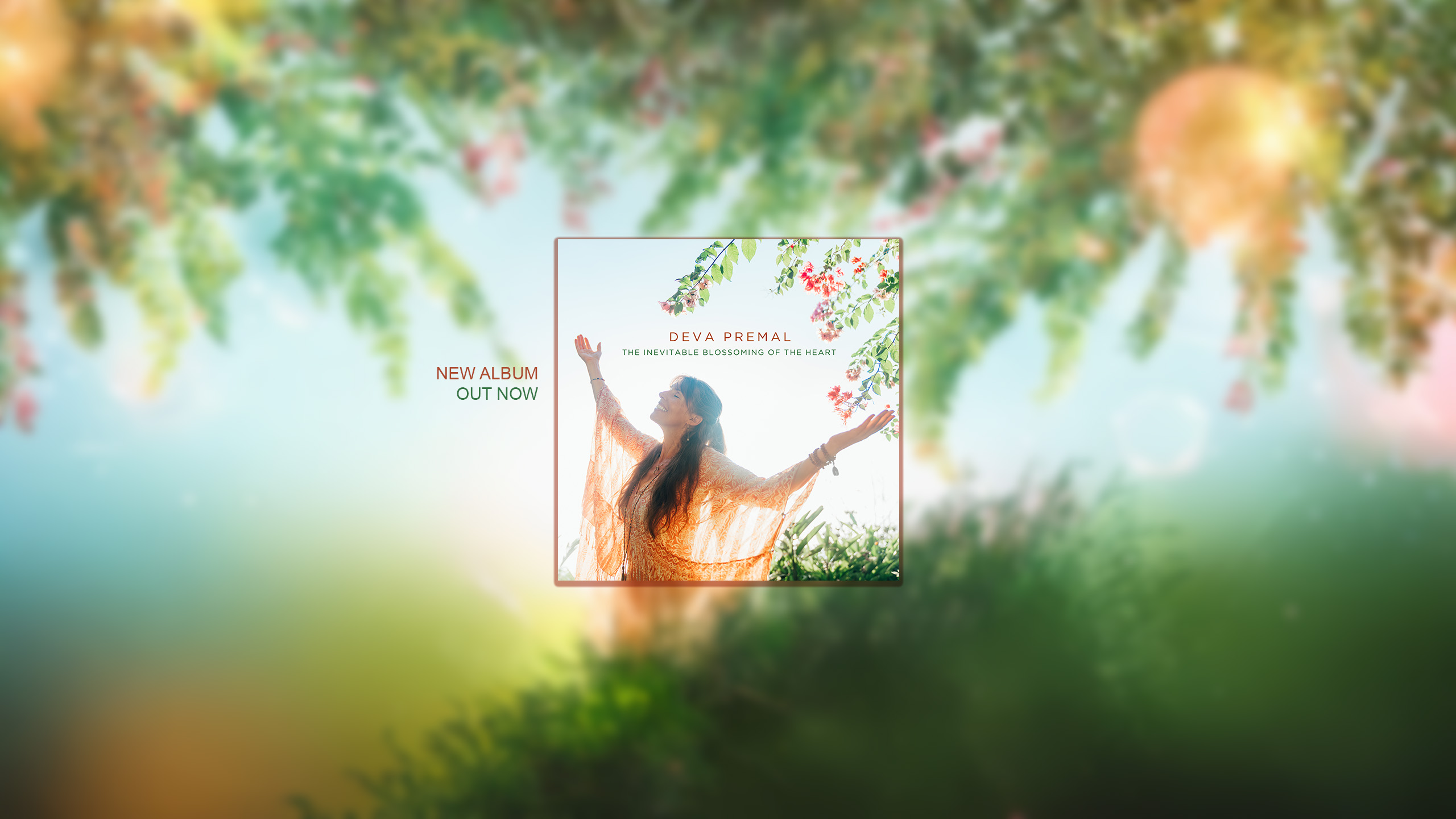
In her poignant reflection, Deva Premal articulates a profound truth: "My voice is not mine. My voice is what comes through me when I get out of the way." This statement invites us to consider the nature of our expression and the essence of our being. It suggests that true communication transcends the ego, emerging instead from a deeper, more universal source. Understanding this can transform how we engage with the world, allowing us to connect authentically with ourselves and others.
Premal's insight resonates deeply in a culture often preoccupied with self-promotion and individualism. By recognizing that our voice is not solely our own, we open ourselves to a greater flow of creativity and wisdom. This perspective encourages us to step aside, relinquishing the need for control and allowing a more profound truth to emerge. In doing so, we not only enrich our own lives but also contribute to a collective harmony that transcends personal boundaries.
The image / the metaphor
The imagery in Premal's quote evokes a sense of surrender and openness. The phrase "get out of the way" suggests an active choice to step aside, to allow something greater to flow through us. It conjures the image of a vessel, one that must be emptied to be filled anew. The verbs chosen—"is not mine" and "comes through me"—highlight a dynamic interplay between the self and the universal, emphasizing that our voices are conduits rather than possessions.
Diving deeper into this metaphor, we can see how it reflects the spiritual journey of letting go of the ego. The act of stepping aside is not merely passive; it requires courage and intention. It is a conscious decision to trust in the process and to embrace the unknown. This surrender can lead to a profound sense of liberation, where the individual self dissolves into a larger tapestry of existence, allowing for a more authentic expression of truth.
In the speaker's tradition
Deva Premal's insights are deeply rooted in the tradition of mantra-yoga, which emphasizes the power of sound and vibration in spiritual practice. Concepts such as dharma, the inherent duty or path of an individual, and bhakti, the devotional aspect of yoga, are integral to understanding her perspective. In mantra-yoga, the voice becomes a tool for connecting with the divine, suggesting that when we allow ourselves to be channels, we align with our true purpose and the greater cosmic order.
This idea of channeling a voice that is not one's own can be likened to the Buddhist concept of sunyata, or emptiness, which teaches that true understanding arises when we let go of attachment to the self. In this light, Premal's quote resonates with the teachings of the Heart Sutra, which states, "Form is emptiness, emptiness is form." Both emphasize that the essence of our being is interconnected and that our individual expressions are but reflections of a larger reality.
Living the teaching
Consider a modern scenario where this teaching can be applied: a team meeting at work. Often, individuals may feel compelled to assert their opinions forcefully, driven by the desire to be heard or validated. However, if one were to embody Premal's teaching, they might instead approach the meeting with a mindset of openness, allowing ideas to flow freely without the need for personal attachment. This shift can foster a collaborative environment where creativity thrives, and the best solutions emerge from collective wisdom rather than individual agendas.
A reflection
As we contemplate Deva Premal's profound words, we are invited to reflect on our own relationship with our voice. Are we speaking from a place of ego, or are we allowing our true essence to emerge? In what areas of our lives can we practice stepping aside to let a deeper truth flow through us? This contemplation can lead us to a richer understanding of ourselves and our interconnectedness with the world around us.






Join the BrightStar Community
Stay connected with daily inspiration, event announcements, and community wisdom