Embracing the Unknown: The Heart of Fear
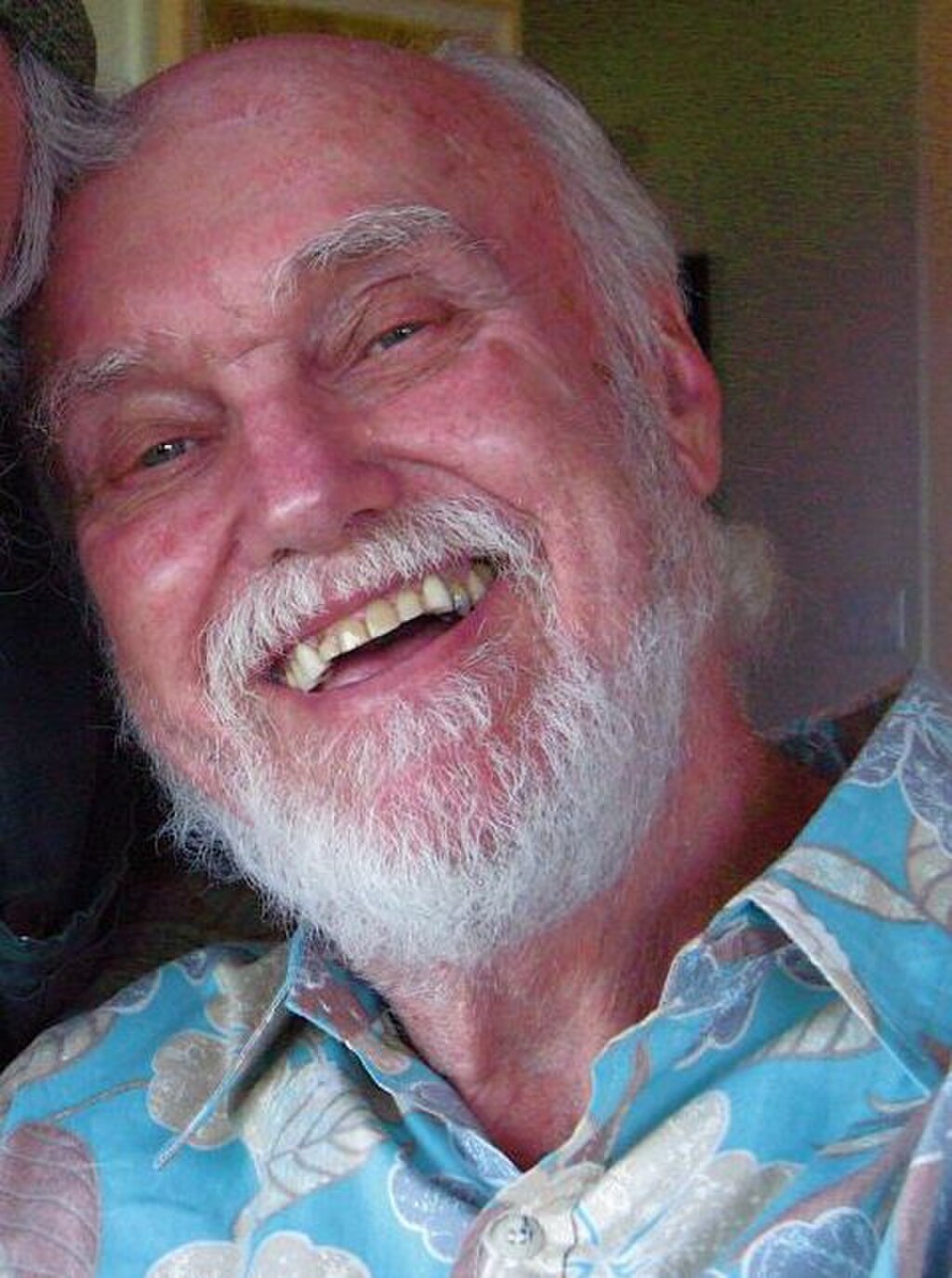
Ram Dass's assertion that "All fear is essentially fear of the unknown" invites us to confront the very essence of our anxieties. At its core, this statement suggests that our fears are not merely reactions to specific situations but are deeply rooted in our relationship with uncertainty. Understanding this can transform our approach to fear, allowing us to navigate life with greater courage and clarity. In a world rife with unpredictability, recognizing the nature of our fears can be a profound step toward liberation.
As we delve deeper into this quote, we uncover layers of meaning that resonate with our lived experiences. Fear often manifests as a barrier, preventing us from engaging fully with life and its myriad possibilities. By acknowledging that our fears stem from the unknown, we can begin to dismantle the walls we have built around ourselves. This realization not only empowers us to face our fears but also encourages a more profound exploration of what it means to be present in the moment, embracing life as it unfolds.
The image / the metaphor
The imagery in Ram Dass's quote evokes a landscape shrouded in fog, where the familiar is obscured, and the path ahead is uncertain. The verbs chosen—"fear" and "unknown"—suggest a dynamic interplay between our emotional responses and the mysteries of existence. This metaphorical fog represents the myriad possibilities that lie ahead, often perceived as threats rather than opportunities. In this sense, fear becomes a lens through which we view the world, distorting our perception of reality and limiting our potential for growth.
In the speaker's tradition
Ram Dass's insights are deeply rooted in the Hindu tradition, where concepts such as dharma and sunyata illuminate the path toward understanding fear and the unknown. Dharma, or one's duty, encourages individuals to act in alignment with their true nature, while sunyata, or emptiness, invites us to recognize the impermanence of all things. This interplay between duty and the acceptance of impermanence can help us navigate our fears, reminding us that the unknown is an integral part of our spiritual journey.
In the Bhagavad Gita, a foundational text in Hindu philosophy, the idea of embracing the unknown is echoed in the teachings of Krishna to Arjuna. Krishna emphasizes the importance of performing one's duty without attachment to the outcomes, urging Arjuna to confront his fears on the battlefield. This call to action amidst uncertainty resonates with Ram Dass's message, illustrating that the path to self-realization often requires us to face the unknown with courage and commitment.
Living the teaching
Consider a modern scenario where this teaching can be applied: a job interview. The anticipation of the unknown—questions that may arise, the potential for rejection, and the pressure to perform—can evoke significant fear. However, by recognizing that this fear stems from the unknown, one can approach the interview with a sense of openness rather than dread. This perspective allows for a more authentic expression of oneself, transforming the experience from a source of anxiety into an opportunity for growth and connection.
In relationships, the fear of vulnerability often stems from the unknown—what will happen if we open ourselves up to another person? This fear can create barriers, preventing genuine connection and intimacy. By embracing the unknown in our relationships, we can cultivate a deeper understanding of ourselves and our partners. This practice of vulnerability not only enriches our connections but also fosters a sense of trust and safety, allowing love to flourish in the face of uncertainty.
A reflection
As we reflect on Ram Dass's profound insight, we are invited to consider how our own fears are intertwined with the unknown. What fears are we holding onto that may be rooted in our reluctance to embrace uncertainty? In this moment of contemplation, let us ask ourselves: How might my life change if I were to approach the unknown with curiosity rather than fear? This question encourages us to explore the depths of our fears and to seek the transformative potential that lies within the unknown.




Join the BrightStar Community
Stay connected with daily inspiration, event announcements, and community wisdom