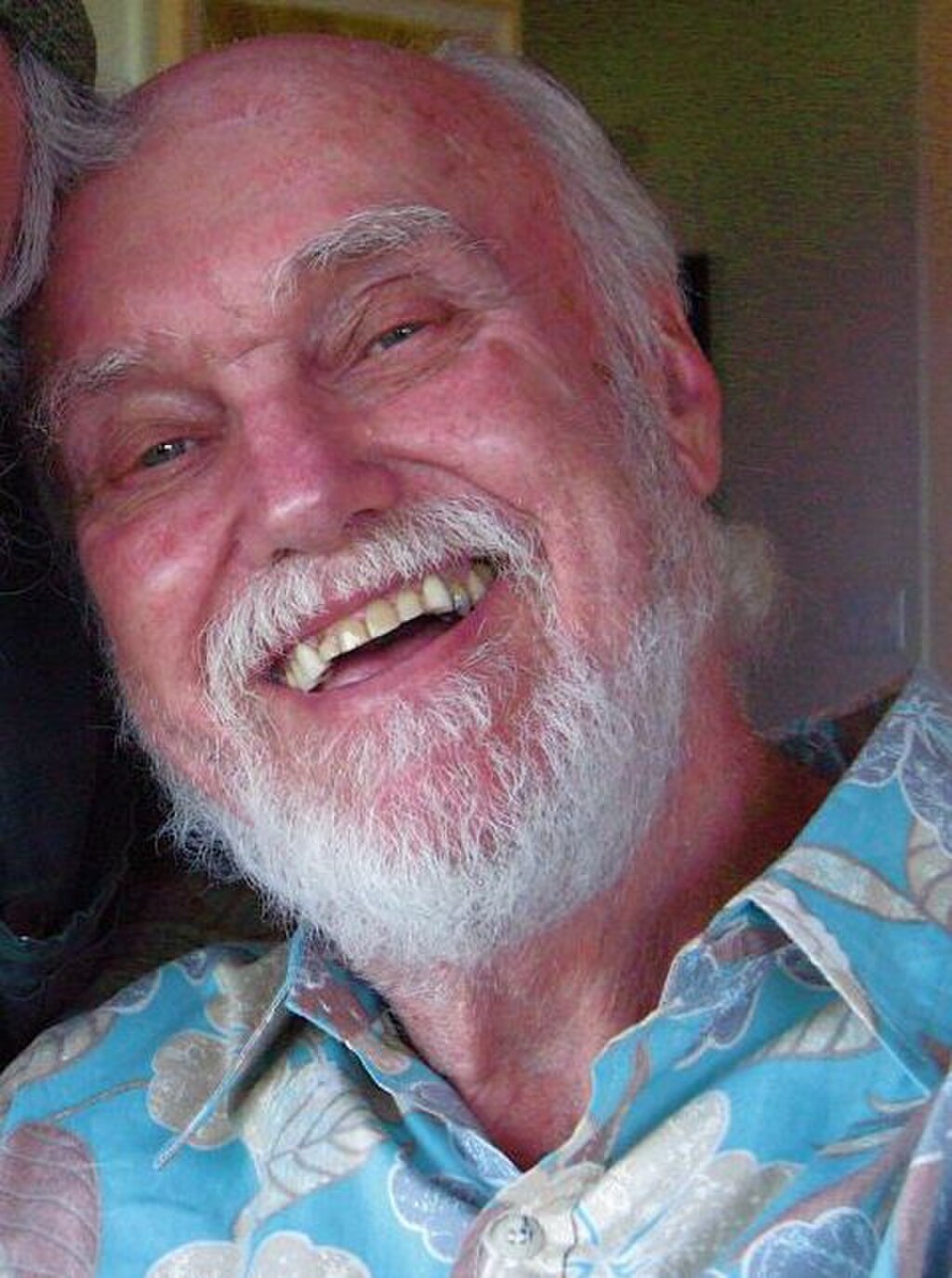
The Essence of Love: Being Beyond Giving and Receiving
Ram Dass's profound assertion that "the most important aspect of love is not in giving or the receiving: it's in the being" invites us to reconsider our understanding of love. In a world often preoccupied with transactional relationships, this quote emphasizes the intrinsic nature of love as a state of existence rather than an action or exchange. The stakes are high; recognizing love as a mode of being can transform our interactions, deepen our connections, and foster a more profound sense of belonging and acceptance.
To delve deeper, we must acknowledge that love, in its purest form, transcends the duality of giver and receiver. It is not merely an act of generosity or a response to affection; instead, it is an embodiment of presence and awareness. This perspective shifts our focus from the external manifestations of love to the internal state of being that allows love to flourish. By embracing this essence, we can cultivate a more authentic and fulfilling experience of love in our lives.
The image / the metaphor
At first glance, Ram Dass's quote presents a simple yet profound image: love as a state of being rather than a transactional exchange. The verbs "giving" and "receiving" suggest a dynamic interplay, yet it is the term "being" that anchors the essence of love in a more stable, enduring reality. This imagery evokes a sense of groundedness, where love is not contingent upon actions or outcomes but exists as a fundamental aspect of our existence. It invites us to explore the depths of our own being, where love resides as an inherent quality.
Diving deeper into the metaphor, we can see that "being" implies a state of awareness and presence. It suggests that love is not something we do but something we embody. This understanding resonates with the idea of love as a vibration or frequency that we can attune ourselves to, allowing us to connect with others on a more profound level. In this sense, love becomes a shared experience of existence, where the essence of our being harmonizes with the essence of others, creating a tapestry of interconnectedness.
In the speaker's tradition
Ram Dass's insights are deeply rooted in the Hindu tradition, where concepts such as bhakti (devotional love) and dharma (righteous living) illuminate the path to understanding love's essence. In this context, love is not merely an emotion but a spiritual practice that aligns us with our true nature. The notion of kenosis, or self-emptying, parallels this idea, suggesting that to truly love, we must let go of our ego-driven desires and open ourselves to the fullness of being. This aligns with the teachings of various sages who emphasize the importance of surrendering to love as a transformative force.
Furthermore, the Buddhist concept of sunyata, or emptiness, complements Ram Dass's perspective by highlighting the interconnectedness of all beings. When we recognize that our essence is not separate from others, we can begin to embody love as a state of being. Texts such as the Bhagavad Gita emphasize the importance of selfless action and devotion, reinforcing the idea that love transcends the dichotomy of giving and receiving, inviting us to engage with the world from a place of wholeness and presence.
Living the teaching
Consider a modern scenario where this teaching can be applied: a friend reaches out to share their struggles, and the instinct might be to offer advice or solutions. However, if we approach the interaction from the perspective of "being," we can shift our focus from what we can give to simply being present with our friend. This presence, characterized by active listening and empathy, allows love to flow naturally, fostering a deeper connection that transcends the need for solutions. In this way, we embody love as a state of being, creating a safe space for our friend to express themselves.
Another application of this teaching can be found in romantic relationships. Often, partners may feel pressure to demonstrate love through grand gestures or material gifts. However, if both individuals embrace the essence of love as being, they can cultivate a relationship grounded in authenticity and presence. This might manifest in simple moments of shared silence, deep conversations, or acts of kindness that arise spontaneously from their connection. By prioritizing being over doing, they nurture a love that is resilient and deeply fulfilling.
A reflection
As we contemplate Ram Dass's assertion, we are invited to reflect on our own experiences of love. How often do we find ourselves caught in the cycle of giving and receiving, rather than simply being in love? This contemplation encourages us to explore the ways in which we can embody love in our daily lives, fostering a deeper connection with ourselves and others. In this spirit, consider this question: What does it mean for you to simply "be" in love, without the need for action or expectation?



Join the BrightStar Community
Stay connected with daily inspiration, event announcements, and community wisdom