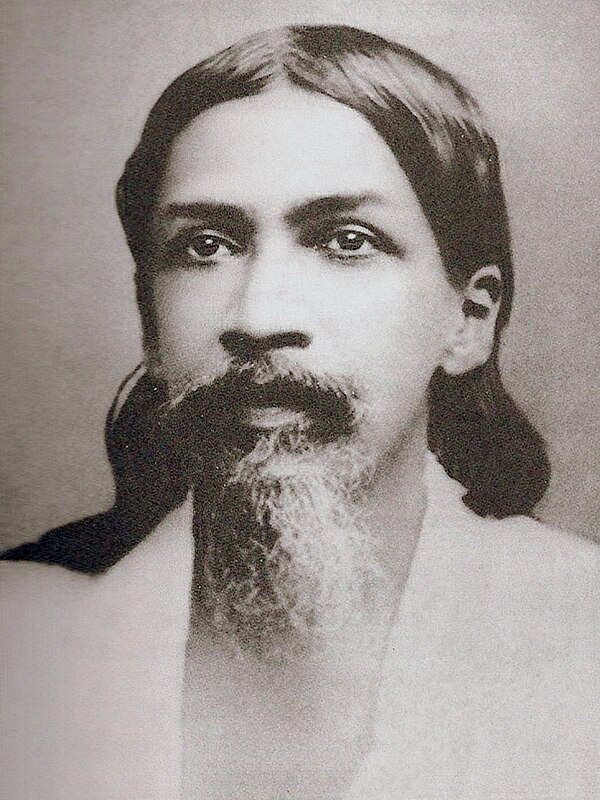
The Stillness Beneath the Surface
Sri Aurobindo's assertion that "calm is the very foundation of yoga, the basis on which all else stands" invites us to consider the profound significance of inner tranquility in our spiritual practice. In a world often characterized by chaos and distraction, this statement serves as a reminder that true progress in yoga—and, by extension, in life—rests upon the bedrock of calmness. Without this foundational peace, our efforts in yoga may become superficial, lacking the depth and authenticity that a serene mind can provide.
To delve deeper into this notion, we must recognize that calmness is not merely the absence of noise or turmoil; it is an active state of being that allows us to connect with our true selves. In the practice of yoga, calmness acts as a stabilizing force, enabling us to navigate the complexities of our emotions and thoughts. It is through cultivating this inner stillness that we can truly engage with the transformative power of yoga, allowing it to permeate our lives and guide us toward greater awareness and understanding.
The image / the metaphor
The imagery in Aurobindo's quote evokes a sense of solidity and permanence. The word "foundation" conjures up visions of a strong base upon which a structure can be built, suggesting that without calmness, our spiritual endeavors may crumble under pressure. The verbs chosen—"is" and "stands"—imply a state of being that is both essential and enduring. This metaphor of calm as a foundation invites us to reflect on the stability it provides, much like the ground beneath our feet that supports our every step.
Diving deeper into this metaphor, we can see that calmness is not a passive state but an active engagement with the present moment. It is akin to a still lake, where the surface may appear undisturbed, yet beneath lies a rich ecosystem teeming with life. Just as the lake reflects the sky above, our calmness allows us to reflect the higher truths of existence. In this way, calm becomes a mirror, revealing not only our inner landscape but also the interconnectedness of all beings.
In the speaker's tradition
Sri Aurobindo's teachings are deeply rooted in the Hindu tradition, where concepts such as dharma, the moral order of the universe, and bhakti, the path of devotion, intertwine with the pursuit of inner peace. In this context, calmness can be seen as a prerequisite for understanding one's dharma, as it allows for clarity of thought and intention. Moreover, the practice of yoga itself is often described as a means of achieving union with the divine, and this union is facilitated by a calm mind that can transcend the distractions of the material world.
In his work, Aurobindo draws upon the ancient texts of the Upanishads, which emphasize the importance of inner stillness as a pathway to enlightenment. The concept of "sunyata," or emptiness, resonates here, suggesting that in the absence of turmoil, one can experience the fullness of existence. This aligns with Aurobindo's vision of yoga as a transformative journey, where calmness serves as the gateway to deeper spiritual insights and experiences.
Living the teaching
Consider a modern scenario where the demands of daily life create a whirlwind of stress and anxiety. Imagine a busy professional navigating a hectic work environment, where deadlines loom and expectations are high. In such a context, the practice of cultivating calmness becomes essential. By taking moments throughout the day to breathe deeply, center oneself, and reconnect with that foundational peace, the individual can approach challenges with a clearer mind and a more balanced perspective, ultimately enhancing both productivity and well-being.
This teaching also finds application in our relationships. Picture a moment of conflict between friends, where emotions run high and misunderstandings abound. By embodying the calm that Aurobindo speaks of, one can create a space for open communication and empathy. This calmness allows for a deeper understanding of each other's perspectives, fostering connection rather than division. In this way, the practice of yoga extends beyond the mat, influencing how we interact with the world around us.
A reflection
As we contemplate Sri Aurobindo's assertion that calm is the foundation of yoga, we are invited to explore our own relationship with inner stillness. How often do we allow ourselves to cultivate this calm amidst the noise of our lives? In what ways can we deepen our practice of yoga by prioritizing this essential quality? Reflecting on these questions can guide us toward a more profound understanding of ourselves and our place within the greater tapestry of existence.





Join the BrightStar Community
Stay connected with daily inspiration, event announcements, and community wisdom