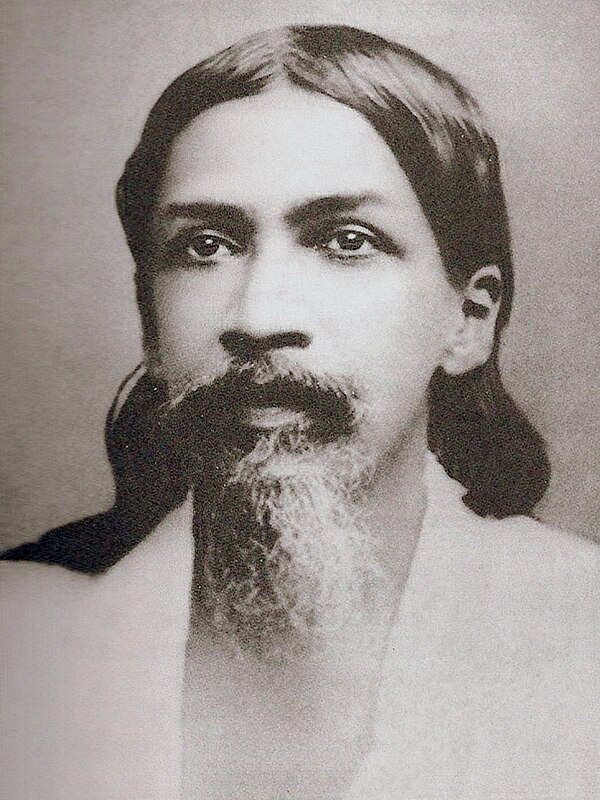
The Heart of Yoga: Love as the Pathway to Union
Sri Aurobindo's assertion that "Love is the supreme means of yoga" invites us to reconsider the essence of spiritual practice. In a world often dominated by ambition, competition, and self-interest, this statement serves as a profound reminder that the ultimate goal of yoga transcends mere physical postures or mental discipline. It beckons us to embrace love as the foundational force that connects us to ourselves, to others, and to the divine. This perspective not only elevates the practice of yoga but also redefines our understanding of love itself, positioning it as a transformative power capable of leading us toward spiritual awakening.
Delving deeper into this notion, we find that love, in the context of yoga, is not merely an emotion but a dynamic force that fosters unity and connection. It is an invitation to dissolve the boundaries of the self, allowing us to experience a profound sense of oneness with all beings. This understanding of love as a spiritual practice encourages us to cultivate compassion, empathy, and selflessness, thereby enriching our journey on the path of yoga. As we explore the implications of Aurobindo's words, we begin to see love not just as an aspect of our lives but as the very essence of our spiritual evolution.
The image / the metaphor
The imagery in Aurobindo's quote evokes a sense of movement and transformation. Love is portrayed as a means, a vehicle that carries us along the path of yoga. The choice of the word "supreme" elevates love to a position of utmost importance, suggesting that it is not merely one of many paths but the primary one. This metaphorical framework encourages us to envision love as a guiding light, illuminating our way through the complexities of life and spiritual practice. It invites us to consider how love can serve as both the motivation and the destination in our quest for union with the divine.
Going deeper into this metaphor, we can see that love acts as a bridge, connecting the individual soul with the universal spirit. It transcends the limitations of the ego, allowing us to experience a state of surrender and openness. In this sense, love becomes a transformative force that reshapes our perceptions and interactions, leading us to a more profound understanding of our interconnectedness. The journey of yoga, then, is not just about personal achievement but about cultivating a heart-centered awareness that embraces all of existence.
In the speaker's tradition
Within the framework of Sri Aurobindo's teachings, love is intricately linked to the concept of bhakti, or devotion. Bhakti yoga emphasizes the importance of love and surrender to the divine, suggesting that through deep affection and devotion, one can attain spiritual realization. This aligns with Aurobindo's vision of yoga as a holistic practice that encompasses not only physical and mental disciplines but also the cultivation of love as a means of connecting with the divine essence within and around us. The interplay of love and devotion serves as a powerful catalyst for spiritual growth, inviting practitioners to engage with their inner selves and the world with an open heart.
Moreover, Aurobindo's emphasis on love resonates with the broader Hindu tradition, where concepts such as dharma (righteous duty) and karma (action and its consequences) are also deeply intertwined with love. In the Bhagavad Gita, for instance, Krishna speaks of selfless action performed with love as the highest form of yoga. This perspective reinforces the idea that love is not just a personal sentiment but a universal principle that governs our interactions and spiritual pursuits. By situating Aurobindo's quote within this rich tapestry of Hindu philosophy, we can appreciate the depth and significance of love as the supreme means of yoga.
Living the teaching
Consider a modern scenario where this teaching can be applied: a workplace filled with competition and stress. In such an environment, the practice of love as a means of yoga can manifest through acts of kindness, collaboration, and support among colleagues. By consciously choosing to approach interactions with love and compassion, individuals can transform the workplace into a space of mutual respect and understanding. This shift not only enhances personal well-being but also fosters a culture of cooperation that benefits everyone involved. In this way, love becomes a practical tool for navigating the complexities of daily life, aligning with Aurobindo's vision of yoga as a means of connection.
Another application of this teaching can be found in personal relationships, particularly during challenging moments. Imagine a disagreement with a loved one, where emotions run high and misunderstandings abound. In such instances, invoking the principle of love as a means of yoga can guide us toward empathy and forgiveness. By choosing to respond with love rather than defensiveness, we open the door to healing and reconciliation. This practice not only deepens our connections but also serves as a reminder that love is a conscious choice, one that can transform even the most difficult situations into opportunities for growth and understanding.
A reflection
As we contemplate Aurobindo's assertion that "Love is the supreme means of yoga," we are invited to reflect on our own relationship with love in our spiritual practice. How can we cultivate a deeper sense of love and connection in our daily lives? This question encourages us to explore the ways in which love can inform our actions, our thoughts, and our interactions with others. By engaging with this inquiry, we can begin to embody the essence of Aurobindo's teaching, allowing love to guide us on our journey toward spiritual union and fulfillment.





Join the BrightStar Community
Stay connected with daily inspiration, event announcements, and community wisdom