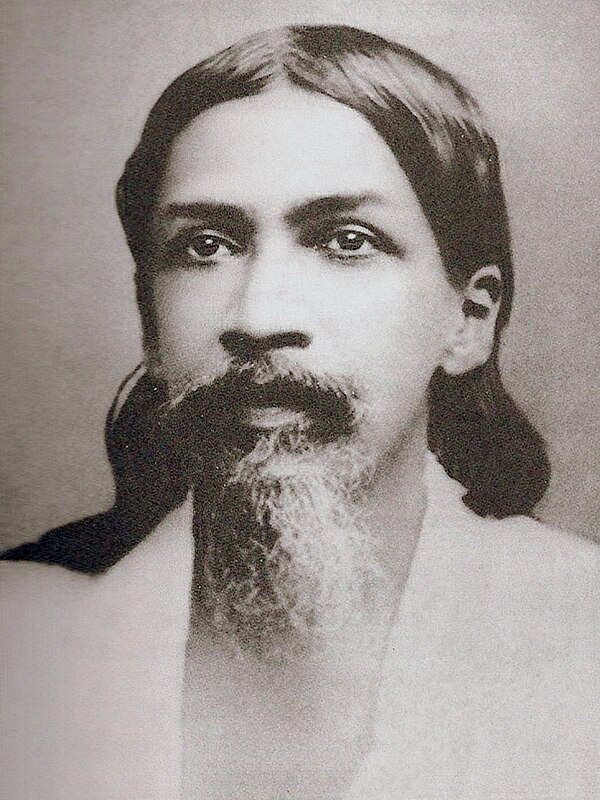
The Luminous Body: A Journey of the Soul
In the profound words of Sri Aurobindo, "The body itself can become luminous when the soul is fully open." This statement invites us to explore the intricate relationship between our physical existence and the deeper, often hidden, dimensions of our being. It suggests that the body is not merely a vessel but can radiate light and vitality when the soul is allowed to flourish. This notion holds significant implications for our understanding of embodiment, spirituality, and the transformative power of inner awakening.
To grasp the depth of Aurobindo's insight, we must consider the implications of a "fully open" soul. This openness signifies a state of receptivity, surrender, and alignment with higher truths. It challenges us to reflect on our own lives: how often do we allow our souls to express their true essence? The journey toward this luminous state is not merely an individual endeavor; it is a collective awakening that can illuminate the world around us, fostering a deeper connection between ourselves and the universe.
The image / the metaphor
The imagery of a luminous body evokes a sense of radiance and vitality that transcends the ordinary experience of physicality. The term "luminous" suggests a quality of light that is both visible and transformative, hinting at an inner brilliance that can emerge when the soul is nurtured and allowed to thrive. The verbs "become" and "open" imply a dynamic process, one that requires active participation and intention. This metaphor invites us to envision our bodies not as mere biological entities but as vessels of divine expression, capable of reflecting the light of our innermost selves.
In the speaker's tradition
Sri Aurobindo's teachings are deeply rooted in the rich tapestry of Hindu philosophy, where concepts such as dharma, bhakti, and prajna play pivotal roles in the journey of self-realization. The idea of the luminous body aligns with the notion of dharma, which emphasizes living in accordance with one's true nature and purpose. When the soul is fully open, it aligns with its dharma, allowing the body to express its inherent luminosity. This connection between the soul's openness and the body's radiance reflects the essence of spiritual practice in Aurobindo's vision.
Moreover, Aurobindo's insights resonate with the teachings found in the Bhagavad Gita, where the interplay of the physical and spiritual realms is explored. In Chapter 2, Krishna speaks of the eternal nature of the soul, urging Arjuna to recognize the distinction between the transient body and the everlasting spirit. This understanding is crucial for cultivating a luminous existence, as it encourages us to transcend the limitations of the physical form and embrace the divine light within. Aurobindo's perspective invites us to embody this wisdom, transforming our lives into expressions of that inner radiance.
Living the teaching
Consider a modern scenario where this teaching can be applied: a busy professional navigating the demands of work and life. In the midst of deadlines and responsibilities, one might feel disconnected from their true self, leading to stress and fatigue. By consciously cultivating moments of stillness and reflection, this individual can create space for their soul to open. Engaging in practices such as meditation, mindfulness, or simply spending time in nature can facilitate this process, allowing the body to respond with increased vitality and clarity, ultimately becoming a reflection of the light within.
In the context of relationships, the teaching of a luminous body can manifest in profound ways. Imagine a moment of conflict with a loved one, where misunderstandings and hurt feelings cloud the connection. By approaching the situation with an open heart and a willingness to listen, both individuals can allow their souls to shine through, fostering understanding and compassion. This practice of vulnerability and openness not only transforms the relationship but also illuminates the path toward deeper intimacy and connection, embodying the essence of Aurobindo's teaching.
A reflection
As we contemplate the profound statement, "The body itself can become luminous when the soul is fully open," we are invited to reflect on our own lives. In what ways are we allowing our souls to express their true essence? What practices can we engage in to nurture this openness and cultivate the luminosity of our being? By exploring these questions, we can embark on a journey of self-discovery that not only enriches our own lives but also contributes to the collective illumination of the world around us.





Join the BrightStar Community
Stay connected with daily inspiration, event announcements, and community wisdom