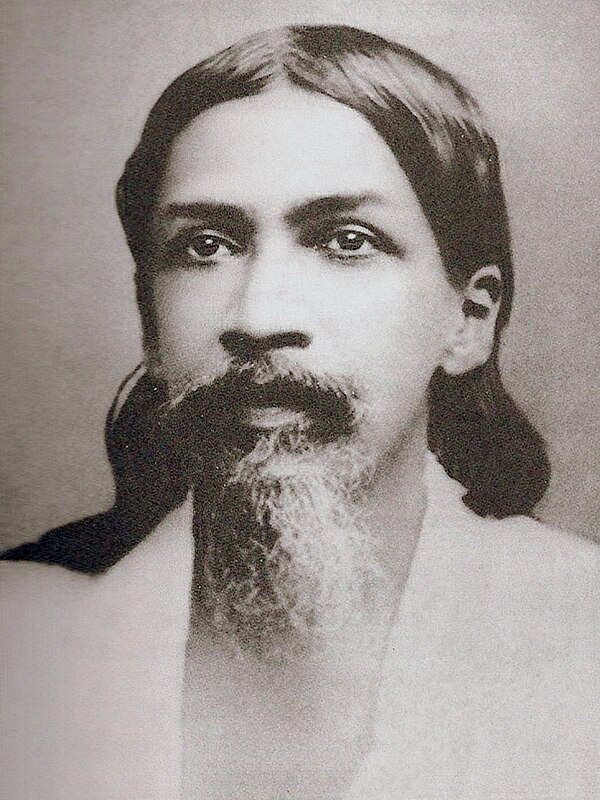
Embracing Divine Silence: The Essence of True Meditation
In the words of Sri Aurobindo, "True meditation is to be silent in mind and live in the presence of the Divine." This profound statement invites us to explore the depths of meditation beyond mere technique, urging us to cultivate an inner stillness that allows us to connect with the Divine essence within and around us. In a world filled with noise and distraction, this teaching becomes increasingly relevant, as it challenges us to seek a deeper, more meaningful existence rooted in spiritual awareness.
To meditate truly, as Aurobindo suggests, is not simply to engage in a practice of quietude; it is to embody a state of being that transcends the tumult of thoughts and emotions. It is an invitation to immerse ourselves in the sacred presence that permeates all aspects of life. This call to silence is not an absence but a fullness—a space where the Divine can reveal itself, guiding us toward a more profound understanding of our purpose and interconnectedness with all beings.
The image / the metaphor
The imagery in Aurobindo's quote evokes a serene landscape where the mind is quiet, allowing the soul to awaken to the Divine presence. The phrase "silent in mind" suggests a stillness that is not merely the absence of thought but a conscious choice to step back from the incessant chatter that often dominates our inner world. This silence is a fertile ground for spiritual growth, where the seeds of awareness can take root and flourish.
Diving deeper into the metaphor, we can see that this silence is akin to a vast ocean, calm and undisturbed, reflecting the light of the Divine. In this state, we are not just passive observers; we become active participants in the unfolding of our spiritual journey. The act of living in the presence of the Divine transforms our perception, allowing us to see the sacred in the mundane and to recognize the interconnectedness of all existence.
In the speaker's tradition
Sri Aurobindo's teachings are deeply rooted in the Hindu tradition, where concepts such as dharma, bhakti, and prajna play pivotal roles in understanding the nature of existence and our relationship with the Divine. Dharma, or righteous living, calls us to align our actions with a higher purpose, while bhakti emphasizes devotion and love for the Divine. Aurobindo's notion of meditation as a means to silence the mind resonates with the practice of kenosis, the self-emptying of one's ego to make space for divine presence.
In his work, Aurobindo often references the idea of sunyata, or emptiness, which invites practitioners to relinquish attachments and preconceived notions. This aligns with the teachings found in the Bhagavad Gita, where Krishna encourages Arjuna to find stillness amidst chaos, ultimately guiding him toward self-realization. Aurobindo’s emphasis on living in the presence of the Divine echoes the Gita’s call to act with awareness and devotion, reminding us that true meditation is a holistic practice that encompasses our entire being.
Living the teaching
Consider a modern scenario where the demands of daily life often pull us in multiple directions—work obligations, family responsibilities, and social commitments can create a cacophony that drowns out our inner voice. In such moments, Aurobindo's teaching on true meditation becomes a lifeline. By consciously choosing to carve out time for silence, we can reconnect with our inner selves and the Divine presence that resides within us. This practice might involve stepping away from technology, finding a quiet space, and allowing ourselves to simply be, cultivating an awareness that transcends the noise of our surroundings.
In relationships, the application of this teaching can be transformative. Imagine a moment of conflict with a loved one, where emotions run high and communication breaks down. By embracing the practice of silence, we can create a space for reflection and understanding, allowing the Divine presence to guide our responses. Instead of reacting impulsively, we can pause, breathe, and approach the situation with a heart attuned to love and compassion. This shift not only fosters deeper connections but also nurtures a sense of peace that can permeate our interactions.
A reflection
As we contemplate Aurobindo's profound insight, we are invited to reflect on our own relationship with silence and the Divine. How often do we allow ourselves to be truly silent, to listen deeply to the whispers of our soul? In a world that often prioritizes noise and distraction, this question challenges us to seek moments of stillness where we can encounter the Divine presence that is always available to us. In this sacred space, we may discover not only our true selves but also the interconnectedness that binds us to all of creation.






Join the BrightStar Community
Stay connected with daily inspiration, event announcements, and community wisdom