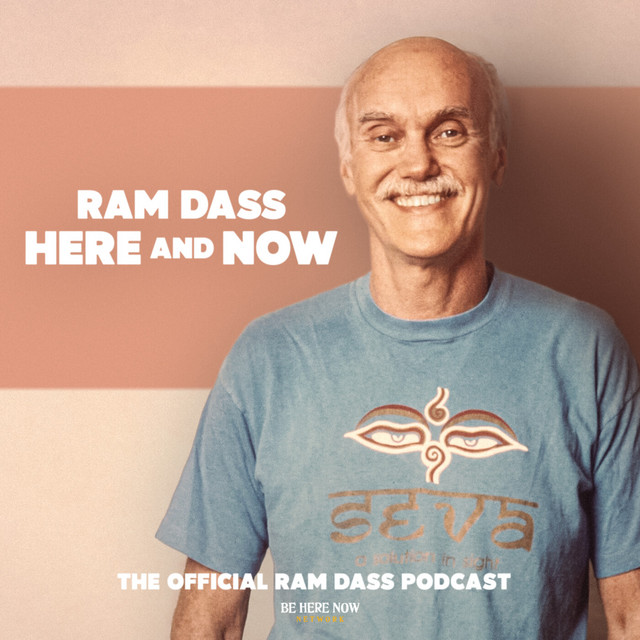
Ram Dass, tabla player Sukhmani Rayat, and guitarist Grecco Buratto created a musical and dance collaboration with choreographer and dancer Dmytro Borodai to support Ukrainian refugee ballet artists. The piece, "The Heart and the Matter," emerged from an unexpected friendship between Ram Dass and Borodai, who discovered each other's work and chose to unite their artistic practices for a filmed performance and rehearsal documentation. The project supports the Ukrainian International Ballet Foundation, which continues to provide opportunities for displaced dancers to perform and sustain their craft in the wake of systemic displacement.
What is the Ukrainian International Ballet and why does this collaboration matter?
The Ukrainian International Ballet (UIB) was founded after the closure of the United Ukrainian Ballet Foundation in March 2024. Established by a collective of advocates including Matthijs Bongertman, Igone de Jong, Rinus Sprong, Robert Serry, Bart Meuter, and Bessel Kok, the UIB carries forward the original foundation's commitment to supporting Ukrainian refugee ballet dancers. The organization creates international dance projects that allow displaced performers—many of whom fled conflict in Ukraine—to perform, develop their craft, and sustain their livelihoods as artists. This collaboration with Ram Dass and his collaborators provides both visibility and resources for dancers who have lost access to their home institutions and performance venues.
How did the musical collaboration begin?
The project originated in an organic discovery. Dancer and choreographer Dmytro Borodai encountered "The Water Poem," a composition by Ram Dass and AWARÉ, which sparked a creative interest. This encounter led Borodai to connect directly with Ram Dass, and the two artists discovered a mutual affinity. Rather than a formally commissioned piece, the collaboration emerged from genuine artistic resonance—Borodai and Ram Dass recognized a shared sensibility and chose to work together. Borodai then choreographed a dance to "The Heart and the Matter," a new composition produced by Grecco Buratto, Ram Dass Khalsa, and Sukhmani Rayat, specifically for this project.
What are the musical and instrumental elements of "The Heart and the Matter"?
"The Heart and the Matter" combines three distinct instrumental voices into a cohesive sonic landscape. Grecco Buratto provides electric guitar, baritone guitar, and electric bass—creating the harmonic and rhythmic foundation with layered textures. Ram Dass Khalsa plays piano, adding melodic and harmonic weight that grounds the piece. Sukhmani Rayat plays tabla, the classical Indian hand drum, which brings rhythmic complexity and an intercultural dimension to the work. The tabla's intricate polyrhythms interact with the Western instrumentation, creating a fusion that honors both traditions. Ram Dass Khalsa and Grecco Buratto handled the engineering of the recording, while Ram Dass Khalsa mixed and mastered the final track—demonstrating a hands-on creative process from composition through final production.
Who are the dancers featured in the performance?
The piece features four dancers from the Ukrainian refugee ballet community: Anastasia Levkut, Dmytro Borodai, Oleksii Hohidze, and Yaroslava Zhyvolup. Each brings both technical training and the lived experience of displacement—their bodies and movements carry the resilience of artists who have sustained their practice despite profound upheaval. Dmytro Borodai, in addition to performing, choreographed the entire piece, meaning the dance emerges from his own artistic vision and understanding of how the music could translate into movement. The documentation includes both rehearsal footage and a complete live performance, allowing viewers to see the work in process and in its refined form.
What is the documentary and performance format?
The video combines two distinct but complementary materials: rehearsal documentation and a full live performance. The filmmaking team—Alejandro Yuvero and Blanca Martín—captured the dancers and musicians working through the choreography, revealing the collaborative refinement process. This rehearsal material shows the human dimension of artistic creation: problem-solving, physical adjustment, and the gradual emergence of form from intention. The live performance presents the completed piece in its full emotional and technical power. This dual approach—process and finished work—offers a more complete picture than either alone could provide. It honors both the labor of creation and the artistry of execution.
How does this collaboration embody intercultural artistic exchange?
The project brings together artists from multiple cultural and artistic traditions. Ram Dass Khalsa's piano work and production approach reflects Western classical and contemporary music idioms. Grecco Buratto's electric guitar work draws from Western rock and contemporary music vocabularies. Sukhmani Rayat's tabla playing grounds the piece in the classical Indian music tradition, where tabla serves as both rhythmic engine and conversational voice within ensemble settings. The Ukrainian dancers bring the classical ballet vocabulary—a tradition also rooted in European aesthetics but transformed through Soviet and now Ukrainian artistic contexts. Rather than presenting these traditions as separate or hierarchical, "The Heart and the Matter" treats them as equal voices in conversation. The tabla doesn't accompany the Western instruments; it speaks alongside them. The dancers move not to illustrate the music but to inhabit the same emotional and rhythmic space.
What is the broader context of supporting refugee artists?
The creation of the Ukrainian International Ballet reflects a recognition that displacement threatens not only individual livelihoods but entire artistic ecosystems. Classical ballet training requires sustained institutional support, access to performance venues, and a community of practitioners. When dancers flee their home countries, they lose not only safety but also the infrastructure that sustains their careers. The UIB's model—creating international collaborative projects that feature refugee artists—addresses this gap by providing performance opportunities, maintaining visibility in the global arts community, and generating resources that support continued artistic work. This collaboration with Ram Dass and his musicians is one example of how established artists and cultural platforms can direct attention and resources toward displaced practitioners. It treats refugee artists not as subjects of charity but as valuable cultural contributors worthy of platform and partnership.
Where to go from here
To support the Ukrainian International Ballet and learn more about their ongoing work with refugee dancers, visit uiballet.com/about-us/. To explore more of Ram Dass's music and collaborations, visit ramdassmusic.com and follow his work on YouTube, Instagram, and other platforms linked in the video description. Consider how your own artistic or professional practice might intersect with the needs of displaced artists and communities. The example of this collaboration—built on genuine artistic resonance rather than obligation—suggests that meaningful support often emerges from authentic connection and shared creative vision.