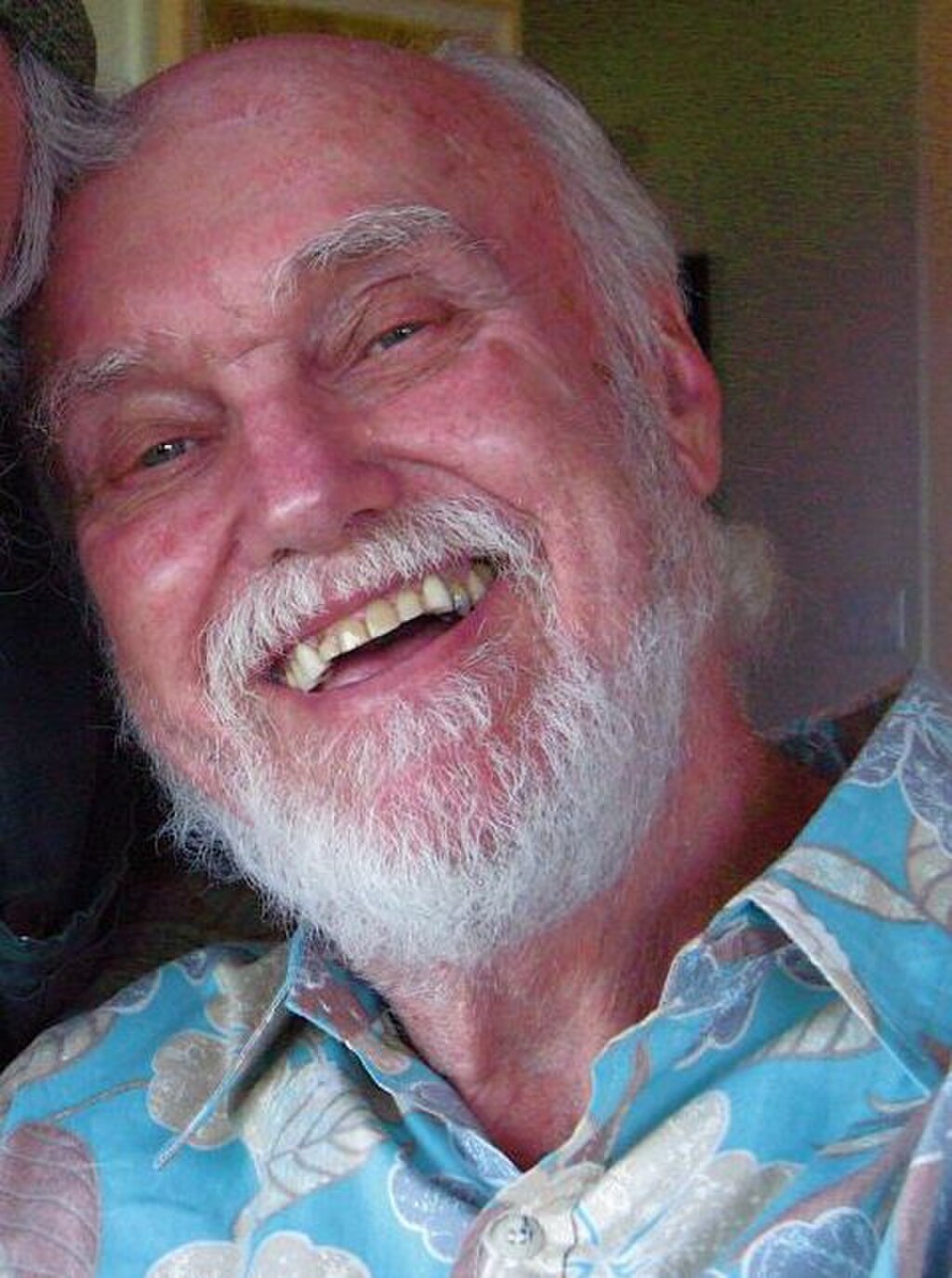
Embracing the Wisdom of Experience
Ram Dass's assertion that "There are no mistakes — only lessons" invites us to reconsider our relationship with failure and missteps. This perspective encourages us to view our experiences not as errors to be regretted but as valuable teachings that guide our growth. In a world that often emphasizes perfection and success, this shift in mindset can be transformative, allowing us to cultivate resilience and wisdom in the face of life's inevitable challenges.
By framing our experiences as lessons rather than mistakes, we open ourselves to a deeper understanding of our journey. This approach not only alleviates the burden of guilt and shame but also fosters a sense of curiosity about our paths. Each moment, whether perceived as a triumph or a setback, becomes an opportunity for reflection and insight, urging us to engage with life more fully and authentically.
The image / the metaphor
The imagery in Ram Dass's quote is striking in its simplicity yet profound in its implications. The word "mistakes" conjures feelings of regret and disappointment, while "lessons" evokes growth and enlightenment. The verbs chosen here—"are" and "only"—suggest a definitive stance, urging us to adopt a new lens through which to view our experiences. This reframing invites us to embrace a more compassionate and forgiving attitude toward ourselves, recognizing that every experience contributes to our evolution.
Diving deeper into the metaphor, we can see that the concept of lessons implies a teacher-student dynamic within ourselves. Each experience, whether joyous or painful, serves as a guide, illuminating the path toward greater self-awareness and understanding. In this light, our lives become a classroom where every interaction and event holds the potential for learning, urging us to engage with our experiences rather than shy away from them.
In the speaker's tradition
Ram Dass's teachings are deeply rooted in the Hindu tradition, where concepts such as dharma and karma play pivotal roles in understanding our life experiences. Dharma, or one's duty and path, emphasizes that every action and experience is part of a larger cosmic order, suggesting that what we perceive as mistakes may actually be integral to our spiritual journey. This perspective aligns with the idea of kenosis, or self-emptying, which encourages us to release our attachments to outcomes and embrace the lessons inherent in every situation.
In the Bhagavad Gita, a foundational text in Hindu philosophy, Lord Krishna imparts wisdom to Arjuna, emphasizing the importance of duty and the acceptance of outcomes. Krishna's teachings resonate with Ram Dass's assertion, as they both highlight the necessity of viewing our experiences through a lens of learning and growth. This alignment underscores the timeless nature of the wisdom that Ram Dass shares, rooted in a tradition that values the transformative power of experience.
Living the teaching
Consider a modern scenario where this teaching can be applied: a professional setback, such as being passed over for a promotion. Initially, this experience may feel like a mistake, leading to feelings of inadequacy and frustration. However, by reframing it as a lesson, one might discover insights about their strengths, areas for improvement, or even the importance of aligning their career path with their true passions. This shift in perspective not only alleviates the sting of disappointment but also empowers the individual to take proactive steps toward their growth.
In the realm of relationships, the idea that there are no mistakes can be particularly poignant. Imagine a conflict with a loved one that leads to hurt feelings and misunderstandings. Instead of viewing this as a failure in communication, one can approach it as an opportunity to learn about each other's needs and boundaries. By embracing the lessons that arise from such challenges, relationships can deepen, fostering greater empathy and connection between individuals.
A reflection
As we contemplate Ram Dass's wisdom, we are invited to reflect on our own experiences. What lessons have emerged from moments we once deemed mistakes? In what ways can we shift our perspective to embrace the teachings inherent in our challenges? This inquiry encourages us to engage with our lives more fully, recognizing that every experience, no matter how difficult, holds the potential for profound growth and understanding.



Join the BrightStar Community
Stay connected with daily inspiration, event announcements, and community wisdom