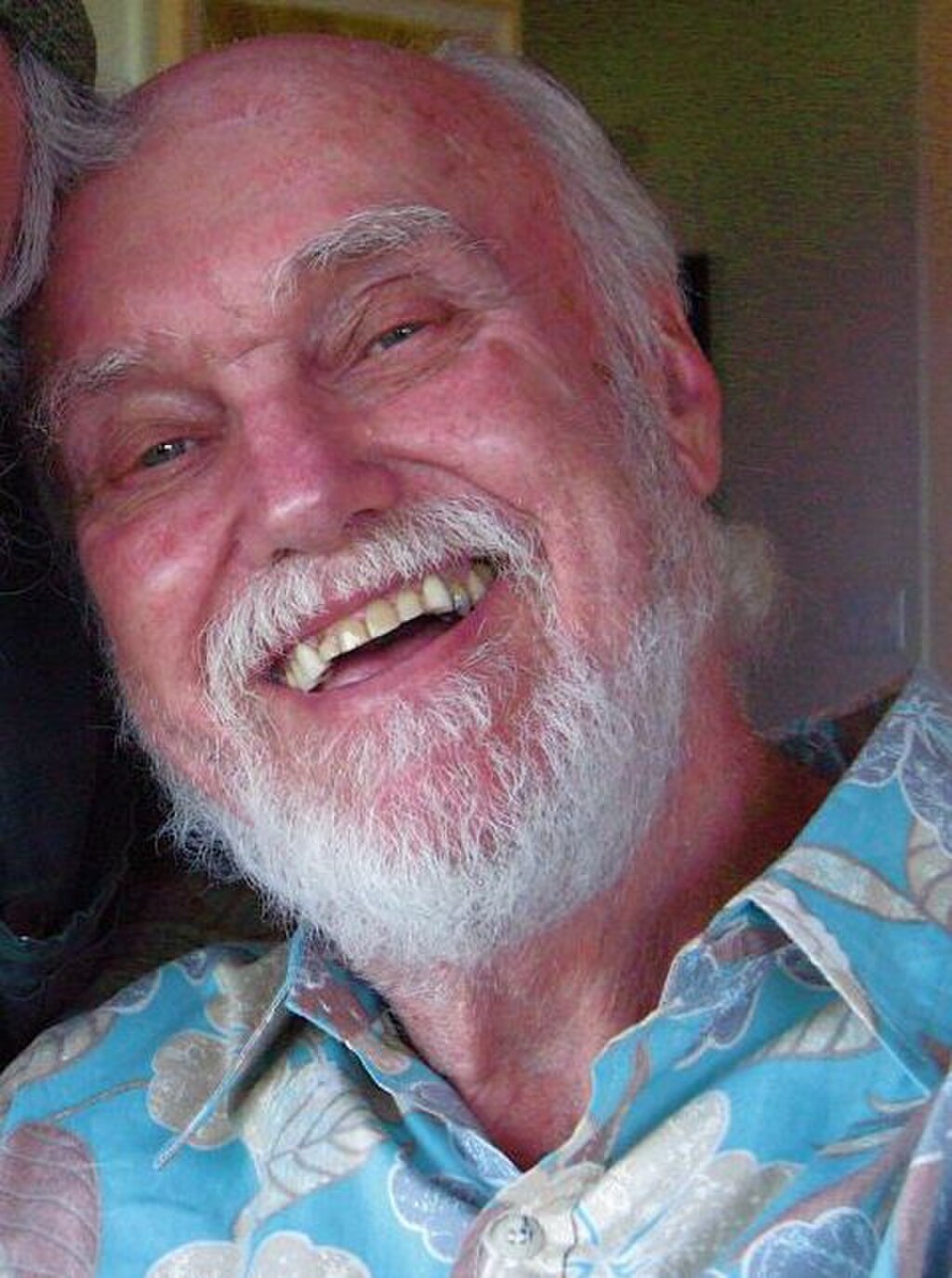
The Journey Within: Embracing the Path as the Destination
Ram Dass's profound assertion, "The path is the destination," invites us to reconsider our relationship with time, purpose, and the very essence of our spiritual journey. In a world often fixated on outcomes and achievements, this quote serves as a gentle reminder that the true value lies not in reaching a final goal but in the experiences and lessons we gather along the way. This perspective challenges us to cultivate mindfulness and presence, urging us to appreciate each moment as it unfolds.
By emphasizing the journey over the destination, Ram Dass encourages us to engage with life more fully, to savor the richness of our experiences rather than merely racing toward an end point. This teaching resonates deeply within the context of spiritual practice, where the act of being present can lead to profound insights and transformations. It beckons us to explore how our daily lives can become a tapestry of spiritual awakening, woven together by the threads of our intentions and actions.
The image / the metaphor
The imagery of a path conjures visions of a winding road, perhaps through a lush forest or up a serene mountain. It evokes movement, exploration, and the unfolding of life itself. The verbs in this quote—"is" and "destination"—suggest a state of being rather than a mere action. This invites us to feel the essence of our journey, to recognize that each step we take is imbued with significance, and that the experiences we encounter along the way shape our understanding of ourselves and the world around us.
In the speaker's tradition
Ram Dass's teachings are deeply rooted in the Hindu tradition, where concepts such as dharma and bhakti illuminate the significance of the journey. Dharma, often translated as one's duty or path in life, emphasizes the importance of living in alignment with our true nature and purpose. Bhakti, or devotion, encourages us to cultivate a loving relationship with the divine, reminding us that the journey itself is an expression of our spiritual commitment. In this context, the path becomes a sacred space where we can explore our inner landscapes and connect with the divine presence within.
In his seminal work, "Be Here Now," Ram Dass draws upon the wisdom of various spiritual traditions, weaving together insights that resonate with the essence of the quote. The text invites readers to embrace the present moment, echoing the teachings of mindfulness found in Buddhist texts like the "Dhammapada," which emphasizes the importance of awareness and presence in our daily lives. Both traditions remind us that the journey is not merely a means to an end but a profound exploration of our consciousness.
Living the teaching
Consider a modern scenario where this teaching can be applied: a busy professional navigating the demands of work and family life. In the rush to meet deadlines and fulfill obligations, it is easy to lose sight of the present moment, focusing solely on future goals. By embracing the idea that "the path is the destination," this individual can shift their perspective, finding joy in the small moments of connection with colleagues, the laughter shared with family, and the simple act of being present in each task. This shift not only enhances their experience of life but also fosters a deeper sense of fulfillment.
In relationships, this teaching can manifest in the way we engage with our loved ones. Instead of fixating on the outcome of a conversation or the resolution of a conflict, we can learn to appreciate the process of communication itself. By being fully present, listening deeply, and sharing authentically, we cultivate a space of connection that honors the journey of our relationships. This approach transforms interactions into opportunities for growth and understanding, reinforcing the idea that the path we walk together is as meaningful as any destination we might seek.
A reflection
As we contemplate Ram Dass's wisdom, we are invited to reflect on our own lives: How often do we find ourselves fixated on future outcomes, neglecting the beauty of the present moment? In what ways can we shift our focus to embrace the journey, recognizing that each step we take is a vital part of our spiritual evolution? Consider this contemplative question: What would it mean for you to fully inhabit the path you are on, allowing each moment to unfold with grace and intention?



Join the BrightStar Community
Stay connected with daily inspiration, event announcements, and community wisdom