The Elusiveness of Experience: Embracing the Present
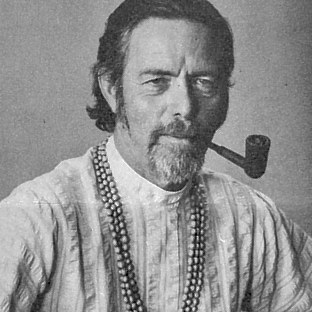
Alan Watts poignantly asserts that "memory never captures the essence, the present intensity, the concrete reality of an experience." In essence, he invites us to recognize the limitations of our recollections, which often distort the vividness of our lived moments. This observation holds profound implications for how we engage with our lives, urging us to cultivate a deeper awareness of the present rather than becoming ensnared in the past. The stakes are high: in a world that often prioritizes nostalgia or future aspirations, we risk losing the richness of the now.
Watts's insight challenges us to reconsider our relationship with memory and experience. Memory, while a valuable tool for learning and reflection, can also serve as a veil that obscures the true nature of our experiences. By clinging to memories, we may inadvertently diminish the vibrancy of our current reality. This contemplation invites us to explore how we can anchor ourselves in the present moment, fostering a more authentic engagement with life as it unfolds.
The image / the metaphor
At the heart of Watts's quote lies a vivid metaphor that contrasts the ephemeral nature of experience with the static quality of memory. The verbs "captures" and "intensity" evoke a sense of struggle; memory attempts to seize and hold onto something that is inherently fluid and dynamic. The imagery suggests that experiences are like water flowing through our fingers—no matter how tightly we grip, we cannot contain their essence. This evokes a felt sense of longing, as we grapple with the desire to preserve moments that are, by their very nature, transient.
Diving deeper into this metaphor, we can see that Watts is not merely lamenting the inadequacy of memory; he is illuminating a pathway toward a more profound understanding of existence. The essence of an experience is not something that can be bottled or archived; it is a living, breathing phenomenon that exists only in the present. By recognizing this, we can begin to appreciate the beauty of impermanence and the richness of each moment as it arises, free from the constraints of our recollections.
In the speaker's tradition
Alan Watts's teachings are deeply rooted in Zen philosophy, which emphasizes the importance of direct experience and the limitations of conceptual thought. Concepts such as *sunyata* (emptiness) and *prajna* (wisdom) resonate with his assertion that memory can cloud our perception of reality. In Zen, the practice of mindfulness encourages individuals to engage fully with the present moment, allowing them to experience life as it is, rather than through the lens of past experiences or future expectations. This aligns with Watts's call to embrace the immediacy of existence, fostering a sense of presence that transcends the confines of memory.
In his work, Watts often draws upon the teachings of the *Tao Te Ching*, where Lao Tzu speaks of the importance of simplicity and being in harmony with the flow of life. The text suggests that true wisdom arises from an awareness of the present, rather than an attachment to what has been or what might be. This echoes Watts's sentiment, reinforcing the idea that the essence of life is found not in the past but in the vibrant immediacy of the now.
Living the teaching
Consider a modern scenario where this teaching resonates: a family gathering filled with laughter, stories, and shared moments. In such instances, it is easy to become preoccupied with capturing the experience—taking photographs, recounting past memories, or planning future gatherings. Yet, in doing so, we may miss the very essence of the moment unfolding before us. By consciously choosing to engage fully with our surroundings, we can savor the richness of connection and presence, allowing the experience to be felt in its entirety without the interference of memory.
This teaching also finds application in relationships, particularly during challenging moments. Imagine a disagreement with a loved one, where past grievances threaten to overshadow the current conflict. By anchoring ourselves in the present and focusing on the immediate feelings and needs at hand, we can navigate the situation with greater clarity and compassion. This practice of presence allows us to respond authentically, rather than reacting from a place of memory-laden hurt, fostering deeper understanding and connection.
A reflection
As we contemplate Watts's assertion that "memory never captures the essence," we are invited to reflect on our own experiences of presence and memory. How often do we find ourselves lost in recollections, missing the vibrancy of the moment we are in? In what ways can we cultivate a deeper awareness of the present, allowing ourselves to fully experience life as it unfolds? Consider this question as a guiding light in your journey toward a more mindful existence.




Join the BrightStar Community
Stay connected with daily inspiration, event announcements, and community wisdom