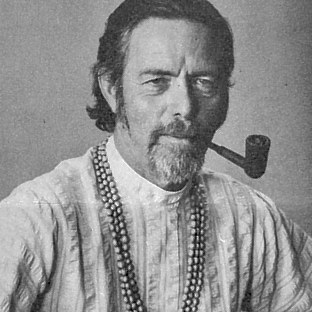
The Eternal Now: Embracing the Present Moment
Alan Watts's assertion that "Now is eternity" invites us to reconsider our relationship with time and existence. In a world often preoccupied with the past and future, this statement serves as a profound reminder of the significance of the present moment. It challenges us to recognize that the essence of life unfolds in the here and now, urging us to cultivate a deeper awareness of our immediate experiences. Understanding this concept can transform our perception of reality, allowing us to live more fully and authentically.
By emphasizing the immediacy of the present, Watts encourages us to let go of the burdens of regret and anticipation that often cloud our minds. This perspective aligns with the teachings of Zen, which advocate for mindfulness and presence as pathways to enlightenment. In recognizing that eternity exists in the now, we are invited to explore the richness of our experiences, fostering a sense of connection to ourselves and the world around us. This exploration is not merely philosophical; it has practical implications for how we navigate our daily lives.
The image / the metaphor
At its core, the phrase "Now is eternity" evokes a vivid image of time as a fluid continuum rather than a linear progression. The word "now" encapsulates the immediacy of our experiences, while "eternity" suggests a timelessness that transcends our conventional understanding of time. This juxtaposition invites us to feel the weight of the present moment, to recognize it as a sacred space where all possibilities converge. The verbs chosen here—"is"—imply a state of being that exists beyond mere perception, urging us to embody the present rather than merely observe it.
In the speaker's tradition
Alan Watts's teachings are deeply rooted in the Zen tradition, which emphasizes the importance of direct experience and the cultivation of awareness. Concepts such as "sunyata" (emptiness) and "prajna" (wisdom) resonate with the idea that the present moment holds the key to understanding the nature of reality. In Zen, the practice of mindfulness encourages practitioners to immerse themselves fully in their experiences, recognizing that the essence of life is found in the here and now. This aligns with Watts's assertion that eternity is not a distant goal but an ever-present reality.
In his works, Watts often draws from various spiritual texts to illustrate these concepts. For instance, in the teachings of the Heart Sutra, the idea of emptiness reveals that all phenomena are interconnected and transient. This understanding invites us to let go of our attachments to time and to embrace the fluidity of existence. By recognizing that the present moment is imbued with the essence of eternity, we can cultivate a deeper sense of peace and acceptance in our lives.
Living the teaching
Consider a modern scenario where this teaching might resonate: a busy professional caught in the whirlwind of deadlines and responsibilities. In such a context, the idea that "Now is eternity" serves as a powerful reminder to pause and reconnect with the present moment. Instead of being consumed by future anxieties or past regrets, the individual can practice mindfulness, taking a few moments to breathe deeply and appreciate the sensations of their surroundings. This simple act of presence can transform a stressful day into an opportunity for clarity and calm.
In relationships, this teaching can also have profound implications. Imagine a couple navigating a difficult conversation, where past grievances threaten to overshadow their connection. By embracing the notion that "Now is eternity," they can choose to focus on the present moment, listening to each other with open hearts and minds. This shift in perspective allows them to cultivate empathy and understanding, fostering a deeper bond that transcends the weight of past conflicts. In both scenarios, the practice of presence becomes a transformative tool for navigating the complexities of life.
A reflection
As we contemplate the essence of Watts's statement, we are invited to reflect on our own relationship with time and presence. How often do we find ourselves lost in thoughts of what has been or what is yet to come? In what ways can we cultivate a deeper awareness of the present moment in our daily lives? By engaging with these questions, we can begin to uncover the richness of our experiences and embrace the eternal now that is always available to us.



Join the BrightStar Community
Stay connected with daily inspiration, event announcements, and community wisdom