Embracing Wholeness: The Wisdom of Acceptance
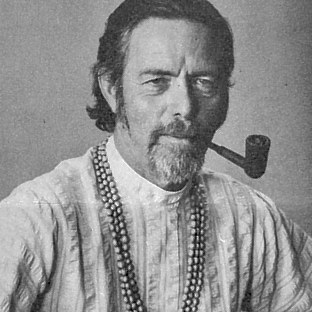
Alan Watts, a prominent voice in the exploration of Eastern philosophy, offers a profound insight when he states, "Things are as they are. There is no defect." This assertion invites us to confront the nature of reality and our perceptions of it. In a world often driven by the desire for perfection and the relentless pursuit of improvement, Watts challenges us to embrace the present moment and recognize the inherent wholeness of existence. This perspective is not merely a passive acceptance but a deep understanding that everything is as it should be, free from the judgments of good or bad.
To grasp the significance of this quote, we must delve into the layers of meaning it conveys. Watts encourages us to see beyond our habitual tendencies to label experiences as flawed or inadequate. By acknowledging that "things are as they are," we open ourselves to a more profound relationship with reality, one that transcends dualistic thinking. This teaching resonates deeply within the Zen tradition, where the acceptance of the present moment is a pathway to enlightenment and liberation from suffering.
The image / the metaphor
At first glance, the phrase "Things are as they are" may seem simplistic, yet it encapsulates a rich tapestry of imagery and meaning. The verbs "are" and "is" evoke a sense of presence and immediacy, urging us to engage with reality as it unfolds. This statement serves as a mirror reflecting our experiences, inviting us to witness life without the distortions of our expectations or desires. The imagery here is one of clarity and stillness, a moment of pause where we can observe the world without the interference of judgment.
In the speaker's tradition
Alan Watts's teachings are deeply rooted in the Zen tradition, which emphasizes direct experience and the acceptance of reality as it is. Central to this philosophy is the concept of "dharma," which refers to the natural order of the universe and our place within it. By recognizing that "there is no defect," we align ourselves with the flow of dharma, understanding that every experience, whether joyful or painful, contributes to our growth and understanding. This acceptance is a form of "kenosis," or self-emptying, where we release our preconceived notions and allow ourselves to be shaped by the present moment.
In his work, Watts often draws parallels between Zen and other spiritual traditions, highlighting the universal truths that bind them. For instance, the notion of "fana" in Sufism, which speaks to the annihilation of the self in the face of divine reality, echoes Watts's assertion that our perceptions of defect are illusions. Similarly, the Buddhist concept of "prajna," or wisdom, invites us to see beyond the surface of things, recognizing the inherent perfection in the impermanent and ever-changing nature of existence. In this way, Watts's teachings resonate not only within Zen but across the spectrum of spiritual thought.
Living the teaching
Consider a modern scenario where this teaching can be applied: a workplace filled with deadlines and expectations. In such an environment, it is easy to become overwhelmed by the pressure to perform perfectly. However, if we embrace Watts's wisdom, we can shift our perspective. Instead of viewing mistakes as defects, we can recognize them as integral parts of the learning process. This shift allows us to approach challenges with a sense of curiosity rather than fear, fostering a culture of growth and collaboration rather than competition and anxiety.
Another application of this teaching can be found in our relationships. Imagine a moment of conflict with a loved one, where misunderstandings and hurt feelings arise. In such instances, the tendency is often to focus on what is wrong or lacking in the relationship. However, by embodying the principle that "things are as they are," we can cultivate compassion and understanding. This acceptance does not mean condoning harmful behavior but rather recognizing the complexity of human interactions. It invites us to engage with our partners from a place of wholeness, fostering deeper connections built on empathy and acceptance.
A reflection
As we contemplate Alan Watts's assertion that "there is no defect," we are invited to reflect on our own perceptions of reality. What judgments do we impose on ourselves and others that prevent us from experiencing life fully? In what ways can we practice acceptance in our daily lives, allowing ourselves to embrace the present moment without the weight of expectation? These questions serve as a gateway to deeper understanding and connection, guiding us toward a more profound experience of wholeness and peace.




Join the BrightStar Community
Stay connected with daily inspiration, event announcements, and community wisdom