Looking Within: The Path to Understanding the World
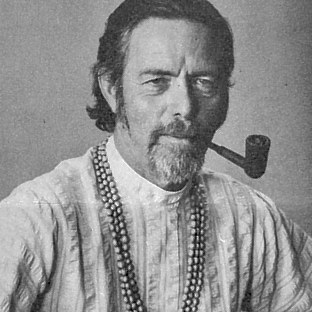
Alan Watts invites us to embark on an inner journey with his profound assertion, "To know the world, look within." This statement emphasizes the importance of introspection as a means to comprehend the external reality we inhabit. In a world often dominated by external distractions and superficial engagements, Watts reminds us that true understanding arises from the depths of our own consciousness. This exploration of the self is not merely an intellectual exercise; it is a vital practice that can lead to a more authentic and connected experience of life.
Delving deeper, we recognize that Watts's quote challenges the conventional notion of knowledge as something to be acquired through observation and analysis of the external world. Instead, he suggests that the essence of our existence and the nature of reality can only be grasped through an intimate understanding of our inner selves. This perspective aligns with the teachings of Zen, where the journey inward is seen as a pathway to enlightenment and a fuller appreciation of the interconnectedness of all things. By looking within, we not only discover our own truths but also unveil the universal truths that bind us to the world around us.
The image / the metaphor
At first glance, the imagery in Watts's quote evokes a sense of introspection and self-examination. The phrase "look within" suggests a turning of the gaze away from the external chaos and distractions of life, directing it instead toward the inner landscape of thoughts, emotions, and experiences. The verb "know" implies a deep, experiential understanding rather than a superficial acquaintance. This call to look inward is not merely about self-reflection; it is an invitation to engage with the very essence of our being, to explore the depths of our consciousness where true wisdom resides.
In the speaker's tradition
Alan Watts's teachings are deeply rooted in the Zen tradition, which emphasizes the importance of direct experience and the realization of one's true nature. Concepts such as *sunyata* (emptiness) and *prajna* (wisdom) resonate with the essence of Watts's message. In Zen, the understanding that the self is not separate from the world is paramount; thus, looking within is not merely a personal endeavor but a means to recognize our unity with all existence. This perspective aligns with the notion of *kenosis*, or self-emptying, where one relinquishes the ego to embrace a more expansive awareness of reality.
In his work, Watts often draws upon the teachings of various Eastern philosophies, including Taoism and Buddhism, to illustrate the interconnectedness of all things. For instance, in the *Tao Te Ching*, Laozi speaks of the importance of returning to the source, suggesting that true wisdom arises from aligning oneself with the natural flow of life. This echoes Watts's assertion that by looking within, we can tap into the deeper currents of existence that inform our understanding of the world. The journey inward, therefore, is not just a personal quest but a collective awakening to the shared nature of reality.
Living the teaching
Consider a modern scenario where this teaching might resonate: a busy professional overwhelmed by the demands of work and life. In the midst of deadlines and responsibilities, the individual may feel disconnected, lost in the chaos of external expectations. By taking a moment to pause and look within—perhaps through meditation or quiet reflection—this person can reconnect with their core values and aspirations. This inner exploration can illuminate what truly matters, allowing them to navigate their external circumstances with greater clarity and purpose.
Another application of this teaching can be found in relationships. Imagine a conflict arising between two friends, each feeling misunderstood and frustrated. Instead of reacting impulsively, they might benefit from looking within to examine their own feelings and motivations. By engaging in this introspective process, they can cultivate empathy and understanding, leading to a more constructive dialogue. This practice of looking within not only fosters personal growth but also deepens the connections we share with others, reminding us that our inner worlds are intricately linked to the outer world.
A reflection
As we contemplate Watts's invitation to "look within," we are called to consider the ways in which we engage with our inner selves. What truths lie dormant within us, waiting to be discovered? In what ways can we cultivate a deeper awareness of our thoughts and feelings to enhance our understanding of the world around us? As you reflect on these questions, allow yourself to embrace the journey inward, recognizing that the exploration of your inner landscape is not only a path to self-discovery but also a gateway to a more profound connection with the universe.



Join the BrightStar Community
Stay connected with daily inspiration, event announcements, and community wisdom