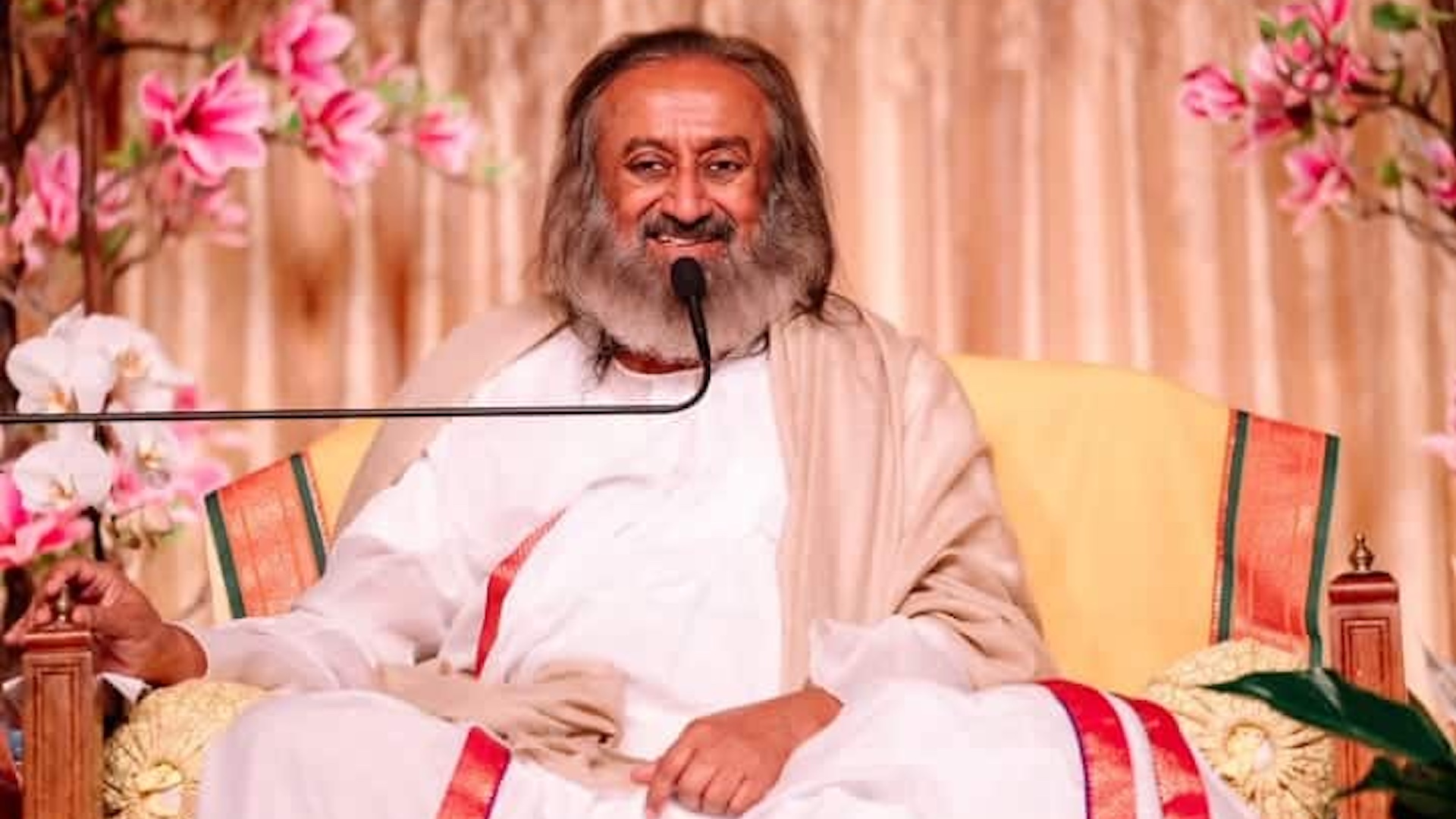
Embracing Simplicity: The Power of "That is Enough"
In the profound yet simple declaration, "That is enough," Sri Sri Ravi Shankar invites us to reflect on the essence of sufficiency in our lives. This statement resonates deeply in a world often driven by insatiable desires and relentless pursuits. It serves as a gentle reminder that contentment can be found in the present moment, urging us to recognize the abundance that already exists within and around us. Understanding this concept can transform our relationship with ourselves and the world, fostering a sense of peace and gratitude.
As we delve deeper into this teaching, we uncover layers of meaning that challenge our conditioned responses to scarcity and lack. The phrase encapsulates a philosophy of simplicity, encouraging us to let go of the incessant chase for more—more possessions, more achievements, more validation. In doing so, we open ourselves to the richness of the present, cultivating a mindset that appreciates what is rather than lamenting what is not. This shift in perspective is not merely a passive acceptance but an active engagement with life as it unfolds.
The image / the metaphor
At first glance, the phrase "That is enough" may appear deceptively straightforward, yet it carries a weight of imagery that evokes a sense of completion and fulfillment. The verb "is" suggests a state of being, an acknowledgment of the present moment's reality, while "enough" conveys a sense of sufficiency that transcends material or external measures. This imagery invites us to pause and reflect on our lives, to recognize the moments of joy and satisfaction that often go unnoticed amidst the noise of our ambitions.
Diving deeper into the metaphor, we find that "enough" serves as a threshold, a boundary that delineates the space between desire and contentment. It challenges the societal narrative that equates worth with accumulation, urging us instead to embrace a more profound understanding of abundance. In this light, the phrase becomes a mantra for mindfulness, a call to inhabit our experiences fully and to appreciate the richness of life as it is, rather than as we wish it to be.
In the speaker's tradition
Within the framework of Sri Sri Ravi Shankar's teachings, the concept of "enough" aligns closely with the principles of dharma and the practice of mindfulness. Dharma, often understood as one's duty or path, encourages individuals to live in harmony with their true nature and the world around them. By recognizing what is enough, we cultivate a sense of balance and alignment with our dharma, allowing us to navigate life with grace and purpose. This understanding resonates with the Buddhist concept of sunyata, or emptiness, which teaches that true fulfillment arises not from external possessions but from an inner sense of completeness.
Moreover, the notion of "enough" can be likened to the practice of bhakti, or devotion, where the focus shifts from seeking external validation to nurturing an inner connection with the divine. In this context, the phrase serves as a reminder to surrender our incessant desires and to find solace in the present moment. Texts such as the Bhagavad Gita emphasize the importance of contentment, stating that a person who is satisfied with what they have is truly rich. This wisdom echoes throughout spiritual traditions, reinforcing the idea that enough is not merely a quantity but a state of being.
Living the teaching
Consider a modern scenario where the teaching of "That is enough" can be applied: the relentless pursuit of success in our careers. Many individuals find themselves caught in a cycle of striving for promotions, accolades, and recognition, often at the expense of their well-being and relationships. By embracing the idea that "enough" exists in our current achievements and contributions, we can shift our focus from external validation to internal fulfillment. This shift allows us to celebrate our accomplishments without the burden of comparison, fostering a healthier relationship with our work and ourselves.
In the realm of relationships, the teaching can manifest in moments of conflict or dissatisfaction. When faced with challenges, we may be tempted to dwell on what is lacking or what could be improved. However, by adopting the mindset of "That is enough," we can cultivate gratitude for the strengths and qualities that already exist within our connections. This perspective encourages us to appreciate our loved ones for who they are, rather than fixating on perceived shortcomings, ultimately deepening our bonds and enhancing our emotional resilience.
A reflection
As we contemplate the profound simplicity of "That is enough," we are invited to engage in a reflective practice that encourages us to assess our own lives. What areas do we find ourselves perpetually striving for more, and how might we shift our perspective to recognize the abundance that already exists? In this moment of reflection, consider the question: How can I cultivate a sense of sufficiency in my daily life, allowing me to embrace the present with gratitude and joy?