The Freedom of Practice Beyond Belief
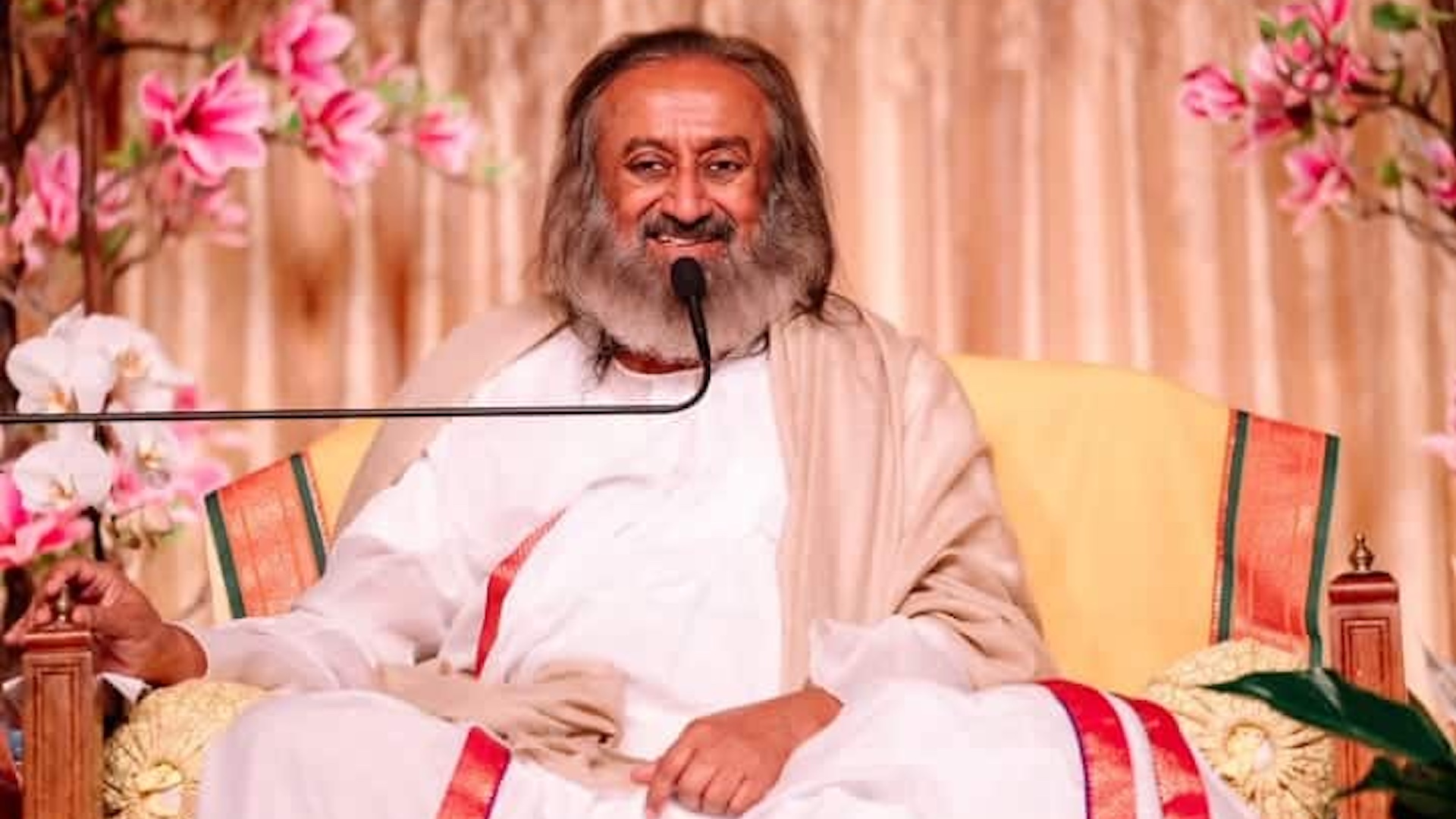
In the words of Sri Sri Ravi Shankar, "You don't have to believe in anything to do this practice." This statement invites us into a realm of spiritual exploration that transcends the boundaries of belief systems. It emphasizes the accessibility of spiritual practices, suggesting that the act of engaging in them can be a pathway to deeper understanding and experience, independent of one's preconceived notions or faith. This perspective is crucial in a world often divided by differing beliefs, as it opens the door for anyone, regardless of their background, to partake in transformative practices.
By asserting that belief is not a prerequisite for practice, Sri Sri Ravi Shankar highlights the intrinsic value of experiential learning in spirituality. The essence of this teaching lies in the understanding that practices such as Sudarshan Kriya can lead to profound insights and personal growth without the need for dogma. This democratization of spiritual practice encourages individuals to explore their inner landscapes, fostering a sense of community and shared experience that is rooted in the present moment rather than in abstract ideologies.
The image / the metaphor
At its core, the quote evokes a sense of liberation. The phrase "you don't have to believe" serves as an invitation to step into a space of openness and curiosity. The verbs "do" and "practice" suggest action and engagement, emphasizing that spirituality is not merely a theoretical construct but a lived experience. This imagery conjures a landscape where individuals can explore their consciousness without the weight of belief holding them back, allowing for a more authentic connection to their inner selves and the world around them.
Diving deeper into the metaphor, we can see that the act of practicing without the burden of belief is akin to a child learning to ride a bicycle. Initially, the child may not believe they can balance or steer, but through practice, they discover their own capabilities. Similarly, engaging in spiritual practices like Sudarshan Kriya allows individuals to cultivate awareness and presence, leading to insights that may reshape their understanding of themselves and their place in the universe. This metaphor illustrates the transformative power of practice as a means of self-discovery, independent of belief.
In the speaker's tradition
Sri Sri Ravi Shankar's teachings are deeply rooted in the Art of Living philosophy, which emphasizes the importance of practical experience over theoretical knowledge. Concepts such as dharma, or one's duty, and prajna, or wisdom, are central to this tradition. By encouraging individuals to engage in practices without the necessity of belief, he aligns with the idea of kenosis, or self-emptying, which invites practitioners to let go of preconceived notions and open themselves to new experiences. This approach fosters a sense of sunyata, or emptiness, where one can encounter the essence of existence without the clutter of dogma.
A relevant text that echoes this sentiment is the Bhagavad Gita, where Krishna advises Arjuna to act according to his dharma without attachment to the fruits of his actions. This teaching reinforces the notion that engagement in practice, rather than adherence to belief, can lead to spiritual awakening and fulfillment. The Gita's emphasis on action as a path to liberation resonates with Ravi Shankar's assertion, inviting practitioners to explore their spiritual journey through direct experience.
Living the teaching
Consider a modern scenario where an individual grapples with stress and anxiety in their daily life. They may feel overwhelmed by the demands of work and personal responsibilities, leading them to seek solace in meditation or breathwork. By embracing the practice of Sudarshan Kriya, they find a refuge that does not require them to subscribe to any particular belief system. Instead, they engage in the rhythmic breathing and meditation, experiencing a sense of calm and clarity that transcends their initial doubts or skepticism. This illustrates how the practice itself can serve as a transformative tool, providing relief and insight without the need for belief.
In a different context, imagine a relationship strained by differing beliefs. One partner may be deeply spiritual, while the other is more skeptical. By engaging in shared practices such as mindfulness or yoga, they create a space for connection that is rooted in experience rather than ideology. This shared practice allows them to cultivate empathy and understanding, fostering a deeper bond that transcends their differences. Here, the teaching of practicing without the necessity of belief becomes a bridge, enabling individuals to connect on a fundamental human level.
A reflection
As we contemplate the essence of Sri Sri Ravi Shankar's quote, we are invited to reflect on our own relationship with belief and practice. How might our lives change if we approached our spiritual journeys with a sense of openness, free from the constraints of dogma? In what ways can we engage in practices that foster growth and understanding, regardless of our beliefs? This contemplation encourages us to explore the richness of our experiences, inviting us to embrace the transformative power of practice in our lives.