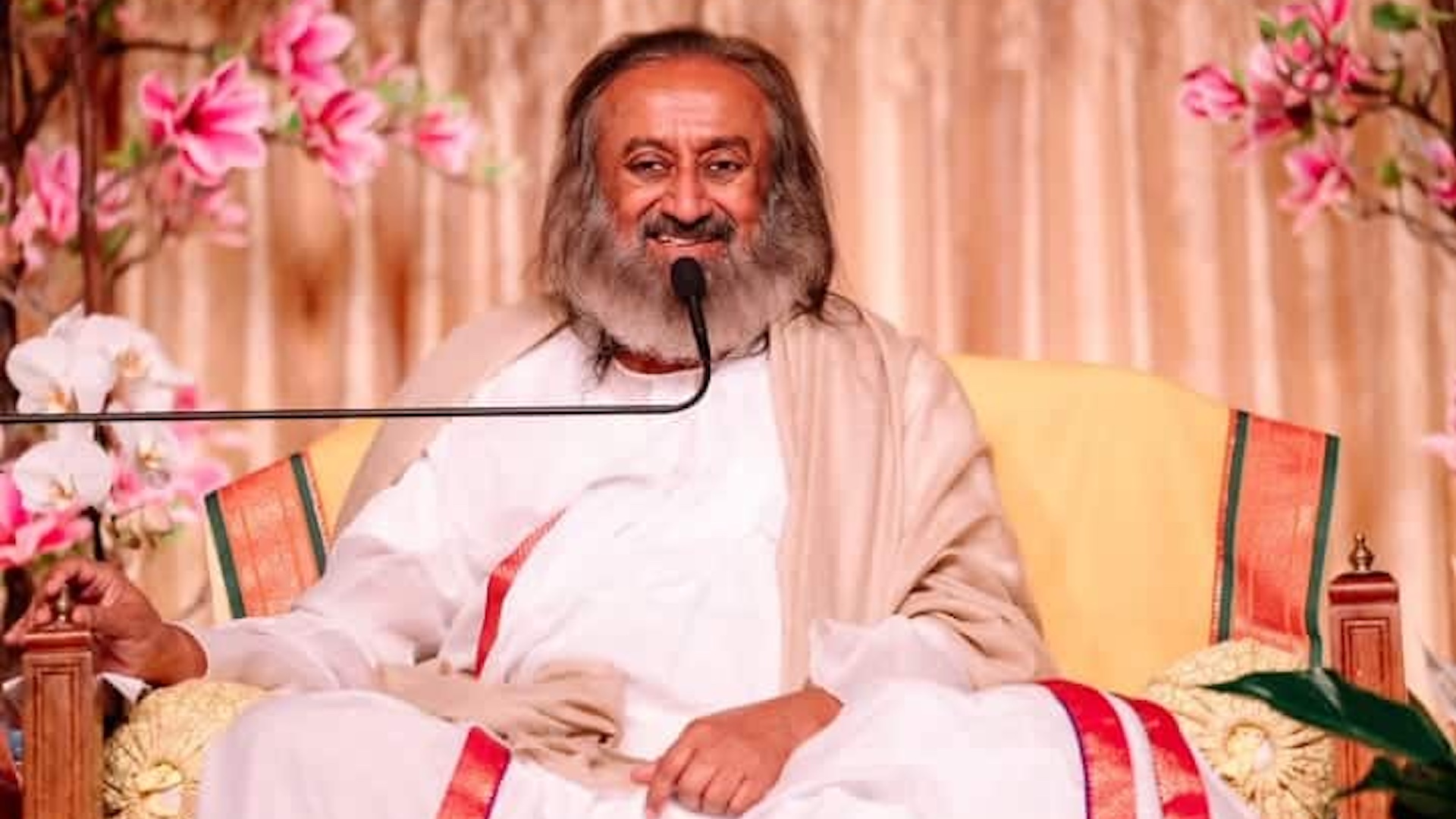
The Natural Flow of Compassion
"You don't have to manufacture compassion." This profound statement by Sri Sri Ravi Shankar invites us to explore the essence of compassion as an innate quality rather than a forced endeavor. In a world often characterized by competition and self-interest, the notion that compassion can arise effortlessly is both liberating and transformative. It challenges the prevailing belief that we must strive or struggle to cultivate this essential human quality, suggesting instead that compassion is already within us, waiting to be acknowledged and expressed.
Delving deeper, we find that this quote resonates with the understanding that compassion is not merely an emotion but a fundamental aspect of our being. It is a natural response to the suffering of others, rooted in our shared humanity. By recognizing that compassion does not require artificial cultivation, we open ourselves to a more authentic way of relating to the world. This perspective encourages us to trust in our inherent capacity for empathy and kindness, allowing these qualities to emerge organically in our interactions.
The image / the metaphor
The imagery in Sri Sri Ravi Shankar's quote evokes a sense of ease and fluidity. The verb "manufacture" suggests a mechanical process, one that is often associated with effort and artifice. In contrast, the absence of such effort in the act of being compassionate implies a natural, almost spontaneous occurrence. This invites us to envision compassion as a river flowing freely, rather than a product that must be painstakingly assembled. The felt sense here is one of relief; we are reminded that we do not need to force ourselves into a state of compassion, but rather allow it to surface from within.
In the speaker's tradition
Within the tradition of Sri Sri Ravi Shankar and the Art of Living, compassion is closely linked to the concept of dharma, or righteous living. Dharma encourages us to act in accordance with our true nature, which includes the expression of compassion. This aligns with the idea of kenosis, the self-emptying of one’s own will to make space for the needs of others. In this light, compassion is not just a feeling but a way of being that reflects our highest values and purpose.
Furthermore, the notion of sunyata, or emptiness, plays a significant role in understanding compassion in this context. By recognizing the emptiness of the self, we can transcend our ego-driven desires and connect more deeply with the suffering of others. This connection is beautifully articulated in the teachings of the Buddha, who emphasized the importance of cultivating loving-kindness (metta) as a path to enlightenment. In this way, Sri Sri Ravi Shankar’s assertion resonates with a broader spiritual tradition that sees compassion as a vital component of our spiritual journey.
Living the teaching
Consider a modern scenario where this teaching can be applied: a colleague at work is struggling with a heavy workload and is visibly stressed. In this moment, the instinct might be to offer assistance or words of encouragement, but often we hesitate, thinking we need to "manufacture" the right response. By embracing the idea that compassion is natural, we can approach the situation with a sense of ease, allowing our genuine concern to guide our actions. This could manifest as simply offering to help with a task or taking a moment to listen, creating a supportive environment without the pressure of crafting the perfect response.
Another application of this teaching can be found in our personal relationships. Imagine a moment of conflict with a loved one, where emotions run high and misunderstandings abound. The tendency may be to defend oneself or to react defensively. However, if we remember that compassion is inherent within us, we can pause and allow that compassion to surface. This might mean taking a deep breath, acknowledging the other person's feelings, and responding with empathy rather than reaction. In doing so, we create space for healing and understanding, transforming a potentially divisive moment into an opportunity for connection.
A reflection
As we contemplate Sri Sri Ravi Shankar's words, we are invited to reflect on our own relationship with compassion. Are there moments in your life where you feel the need to force compassion, rather than allowing it to flow naturally? Consider how embracing the idea that compassion is an inherent quality can transform your interactions and deepen your connections with others. What would it look like to trust in your capacity for compassion, letting it guide your actions effortlessly?